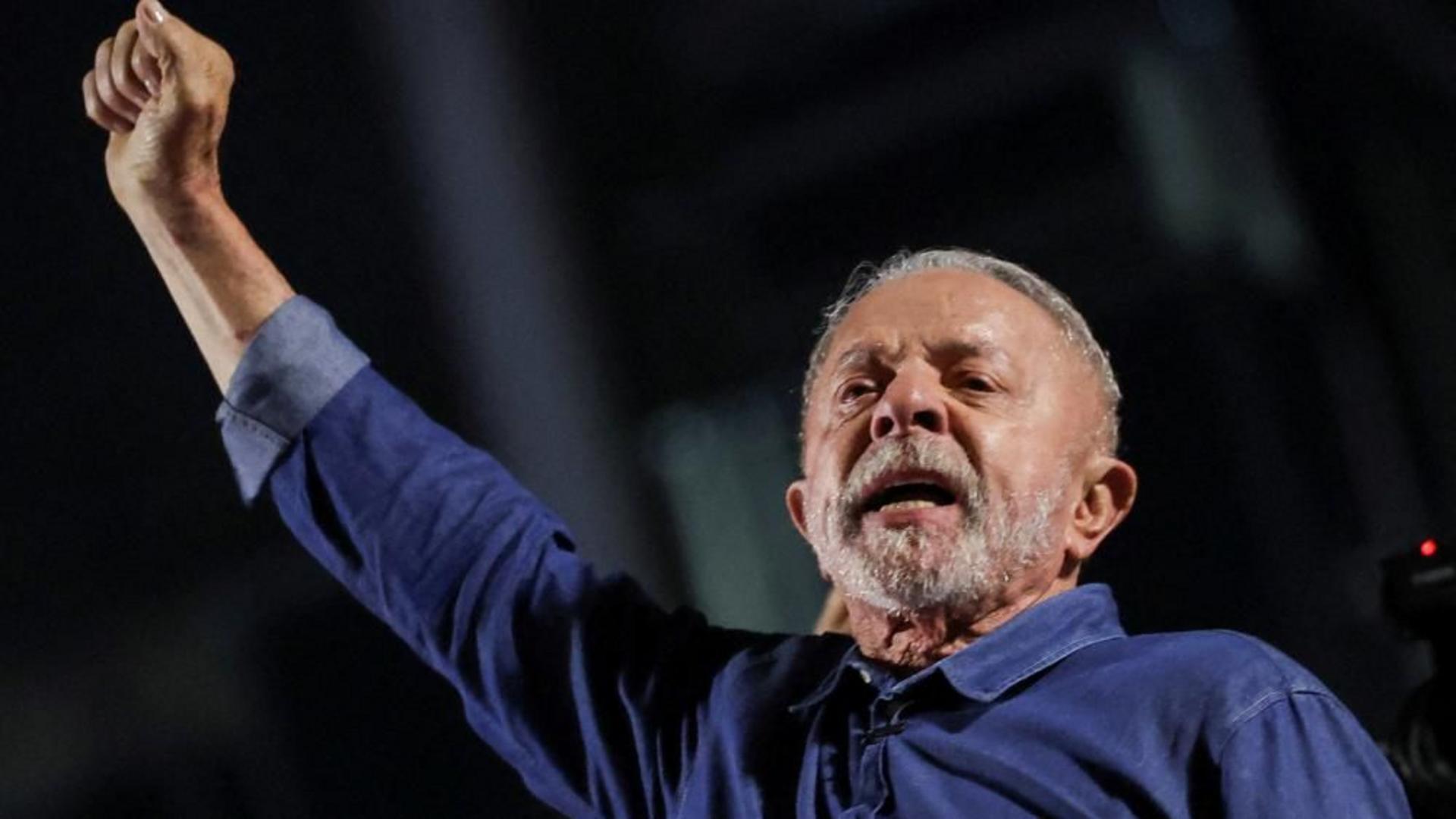
Brazil's President Luiz Inácio Lula da Silva won a fourth term on Sunday with 51.79% of votes, defeating right-wing challenger Flávio Bolsonaro in a runoff election. Lula became the first Brazilian president since the country's return to civilian rule in 1985 to win after losing the first round of voting, which Bolsonaro had won on October 4 with 47% to Lula's 45%.
The comeback hinged on voter mobilization. Lula's campaign focused on increasing turnout after 33 million people abstained in round one. Sunday's runoff saw the largest drop in abstention between two rounds of a presidential election since 1989, allowing Lula to gain 4.4 million more votes than Bolsonaro.
Bolsonaro's son Flávio, the losing candidate, has refused to recognize the result and called for it to be annulled. He cited a Supreme Court Justice's decision to extend voting nationwide by two hours, alleging bias because the justice, Cristiano Zanin, was once Lula's lawyer. However, both campaigns had requested voting extensions for different reasons. Lula's team cited a lack of buses preventing voters in São Paulo and Bahia from reaching polling stations. Bolsonaro's campaign cited heavy rain in southern areas and São Paulo.
The Supreme Electoral Court President Kássio Nunes Marques, appointed by former president Jair Bolsonaro, confirmed Lula's victory and stated the voting extension did not change the outcome. The 4.4 million vote margin makes a successful challenge unlikely.
Lula, 80, makes history as Brazil's first four-term president. His previous terms ran from 2003 to 2010 and 2023 to present. His new term lasts until 2030.
Financial markets reacted negatively. The Sao Paolo stock exchange opened 15% down before recovering slightly. Interest rate futures rose as investors reviewed Lula's fiscal plans.
Most world leaders congratulated Lula, including Mexico's Claudia Sheinbaum, Peru's Keiko Fujimori, Chile's and Ecuador's presidents, Canadian Prime Minister Mark Carney, and European Commission President Ursula von der Leyen. US President Donald Trump said without evidence that the election "looked very bad" and appeared "rigged."
Lula faces significant constraints: a divided country, Congress packed with Bolsonaro allies, and friction with the incoming Trump administration. In his victory speech, Lula stated Brazil "will not accept being anyone's backyard," a reference to Trump's stated "Monroe Doctrine" for Western Hemisphere dominance.