Chancellor John Healey will present his first Budget on Wednesday amid government borrowing costs at historic highs and limited public leaks about his tax and spending plans. The BBC spoke to people across income levels about their financial pressures and budget hopes.
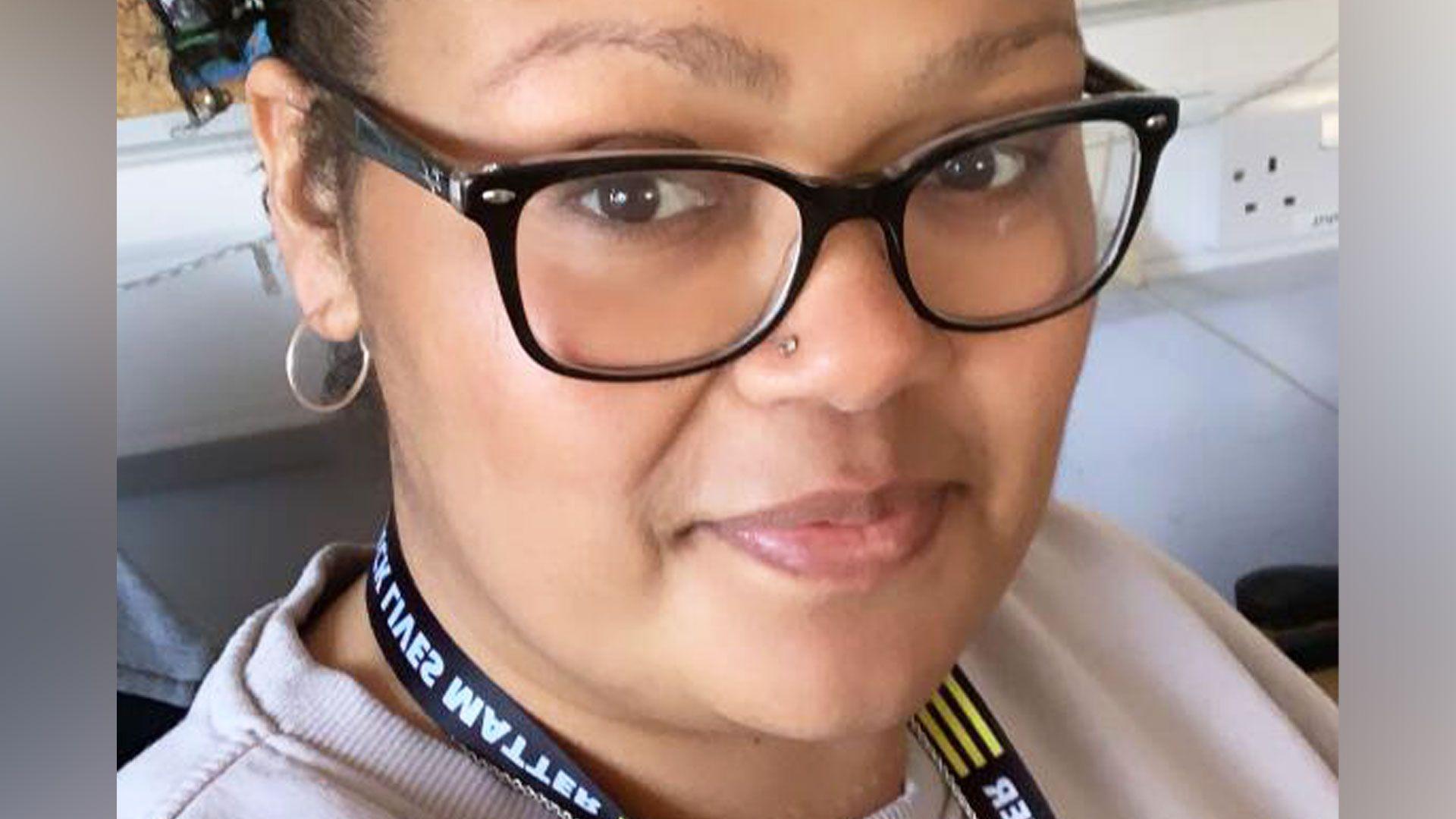
Chloe Chin-Saad, 40, a single mother in south London, earned £41,000 annually and limited her weekly food shop to £40. Her husband died four years ago. She pays roughly £200 monthly for gas and electricity, £200 for council tax, and £250 for car finance. Additional costs include medicines for rheumatoid arthritis, two mobile phone bills, and pet insurance. She said some months left her with as little as £50 after expenses. She works full-time but does not access benefits. She called for government help targeting single-parent families, suggesting tax relief.
Robert Portlock, 29, lives with his parents in Gateshead and cannot afford to move out. Rent for a small flat would consume about two-thirds of his monthly wage. He drives 32 miles to Newcastle Airport for work and spends £750 monthly on car finance, insurance, fuel and tax. He wants the government to cut fuel duty, reduce income tax, or raise the personal allowance from £12,570 to £16,000. He said saving for a house deposit felt impossible.
Emily Nelson, 19, from Swindon, completed her A-levels last year and struggled to find employment. She applied for retail, sales and apprenticeship roles with little success. She sought increased government funding for businesses hiring young workers and extended access to the Jobs Guarantee scheme, which currently requires 18 months on universal credit. She proposed lowering eligibility to one year.
Dave Herbert, 48, a professional driver, spent around £350 monthly on fuel, 40 to 50 percent more than at year's start. He commutes 62 miles to Cardiff. He requested the government drastically cut or reduce fuel duty. The main fuel duty rate has been frozen at 57.95p per litre since March 2011.
Jonathan Whitwam, a finance worker in Essex, supported two daughters through university. Each will graduate with £45,000 to £60,000 debt plus interest compounding at £5,000 to £8,000 yearly. He called for interest to be waived or capped below 1 percent.