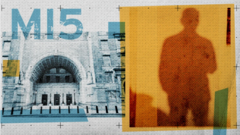
Britain's domestic intelligence agency has formally acknowledged it provided false evidence in court proceedings related to a neo-Nazi spy case, marking a watershed moment in the scandal that has shadowed MI5 for months.
The admission follows BBC reporting that exposed how MI5 furnished testimony grounded in fabrications while protecting an informant involved in violent extremist activity. This represents the first time the agency has publicly conceded the veracity problems at the heart of the case rather than deflecting or remaining silent.
The specifics center on an informant embedded within a far-right network whose violent activities MI5 shielded from courts through misleading statements and material omissions. The intelligence service's decision to prioritize protecting its source over truthfulness in legal proceedings raises urgent questions about judicial integrity and the accountability mechanisms governing Britain's security apparatus.
MI5's formal acceptance signals potential consequences rippling through the UK legal system. Any conviction secured partly on false MI5 testimony now sits on contested ground. Defense teams in related cases will likely file fresh appeals, forcing the courts to untangle what evidence was reliable and what rested on MI5 fabrication. Multiple defendants could walk free if judges determine the false testimony materially influenced their sentences.
The admission also exposes fractures in the relationship between Britain's spy agencies and the courts. Judges rely on intelligence witnesses to speak truthfully, even when national security creates pressure to obscure sources and methods. When that trust fractures, the entire system stumbles. Future court cases will now grapple with heightened skepticism toward MI5 claims, requiring agencies to clear a higher evidentiary bar before judges accept their word.
This scandal sits within a broader pattern of intelligence overreach in Western democracies. The United States intelligence community faced similar reckoning after the Church Committee hearings exposed illegal surveillance and assassination plots. German and French agencies battled domestic courts over comparable accountability questions. MI5's confession suggests Britain is finally entering its own reckoning phase.
The BBC investigation deserves credit for excavating what institutional pressure might have buried. Investigative journalism remains the primary mechanism forcing transparency on secretive agencies that answer to few external checks. Without sustained reporting pressure, MI5 likely would have continued denying or minimizing the false evidence problem.
Political fallout will follow. Parliament's Intelligence and Security Committee holds nominal oversight authority but has rarely aggressively challenged agency claims. Backbench MPs and opposition figures will demand reforms limiting informant protection when it conflicts with courtroom truthfulness. Home Office officials will face questioning about safeguards that failed.
The road forward requires structural change. Intelligence agencies need independent review mechanisms with power to audit evidence before it reaches courts. Informant handlers must face real consequences, not bureaucratic shuffling to new roles. Judicial processes should include adversarial stages where defense counsel can challenge secret evidence with greater teeth.
MI5's admission removes plausible deniability. The question now shifts from whether false evidence happened to what systemic fixes prevent repetition.