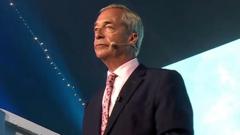
Nigel Farage's conspicuous absence from his own victory celebration in Clacton delivered a stark message about the Reform UK leader's current position within British politics. While Farage's party swept to victory in the Essex constituency's by-election, his failure to appear at the result announcement undercut the symbolic power of the win and raised fresh questions about his grip on the party he founded.
The Clacton result handed Reform UK control of a second parliamentary seat, expanding the party's presence in Westminster after Richard Tice won in Boston and Skegness in the 2024 general election. That victory gave Reform genuine legislative footing for the first time. Yet Farage's physical absence from the celebration suggested deeper tensions within the party's leadership structure or perhaps a deliberate strategy to distance himself from the spotlight as Reform navigates its first months as a parliamentary force.
Farage has cultivated a reputation as the political insurgent who refuses conventional ceremony. His track record through the Brexit Party and earlier incarnations of UKIP established him as a figurehead who materializes at crucial moments then retreats from institutional responsibilities. But this absence carried different weight. A by-election victory in one's own name demands a leader's presence. Its absence signals either internal disorder or calculated disengagement.
The timing matters. Reform UK entered 2025 riding genuine momentum. The party captured nearly 15 percent of the popular vote in July 2024's general election despite winning only five seats, demonstrating substantial electoral reach across traditional Conservative strongholds and working-class constituencies. Clacton's win adds to that narrative of ascent. Yet Farage's absentia suggests the party's leadership faces real friction over strategy, messaging, or who actually controls Reform's direction.
The broader context sharpens the puzzle. Rishi Sunak's Conservative Party fractured partly due to defections to Reform, and Keir Starmer's Labour government has lost ground in recent polling. Reform occupies a political space where disaffected Conservative voters and working-class Labour defectors coexist uneasily. Managing that coalition requires constant attention. Farage's absence from his own victory party suggests he may not be the figure executing that management anymore.
The Clacton win itself proves Reform's appeal endures. The party mobilized its supporters effectively in a constituency where anti-establishment sentiment runs deep. But the victory's meaning depends entirely on what Farage and Reform do next. Will this momentum translate into the party becoming a genuine third force that reshapes British conservatism, or will internal contradictions and leadership questions derail the project before it gains real traction?
Farage built Reform on his personal brand. His absence from the Clacton celebration fractures that brand's coherence. Whether intentional strategy or symptom of dysfunction, it marks an inflection point. Reform can win elections. Whether Farage can continue leading the party that wields his name remains an open question.