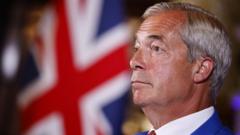
Nigel Farage confronts a pivotal moment. The Reform UK leader faces three tests at his party conference that will define whether his populist insurgency can convert grassroots energy into actual governance power.
The first test is policy clarity. Reform UK has built momentum on anti-establishment anger and promises of radical change, but the party remains vague on implementation. How exactly will Farage reshape immigration policy beyond rhetorical flourish? What spending priorities replace existing commitments? Voters and donors demand specifics. Vague populism wins rallies, not elections.
The second test is political viability. Reform UK exploded into relevance during the 2024 general election cycle, pulling working-class voters from the Conservative Party and exposing deep fractures in Britain's center-right politics. But the party still lacks the organizational infrastructure and constituency machinery that translates protest votes into parliamentary seats. Farage must demonstrate that Reform operates as a functional political apparatus, not merely a vehicle for his personal brand.
The third test is electability. Farage's path to Downing Street requires either a stunning electoral breakthrough that yields dozens of MPs or a coalition dynamic with other parties. Current polling shows Reform capturing real support among disillusioned Conservative voters, yet Britain's first-past-the-post system works against insurgent movements. The conference must project credibility to both the media and potential coalition partners in Labour or among independent MPs.
Farage has performed this role before. He led UKIP to zero seats despite millions of votes, then pivoted to Brexit advocacy and claimed victory without ever holding parliament. His track record suggests mastery of insurgent messaging but limited success translating that into formal power.
Reform UK's conference provides the stage to address these gaps. Farage needs concrete policy platforms on taxation, public services, and industrial strategy. He needs visible progress building a shadow cabinet and campaign organization. He needs to articulate a governing coalition scenario that seems plausible rather than fantastical.
The British political establishment watches carefully. Conservative leadership fears Reform as a permanent splitter that prevents right-wing consolidation. Labour monitors whether Reform momentum persists or fades. Minor party leaders calculate whether Farage's movement becomes a lasting force or another flash of populist energy that dissipates once initial energy burns.
Farage has excelled at disruption. Whether he can execute governance remains his unanswered question. This conference offers early evidence on whether Reform UK becomes a serious contender for power or remains protest politics with a charismatic figurehead.