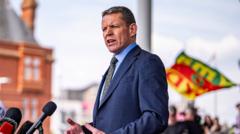
Wales' Plaid Cymru party entered government for the first time in its 93-year history when it formed a coalition with Labour in March 2024, ending over two decades of single-party Labour rule under Mark Drakeford. The partnership creates a historic shift in Welsh politics, with Plaid securing cabinet positions and policy influence across a range of devolved matters. The first 100 days represent a critical test of whether the nationalist party can translate electoral gains into tangible governance.
Plaid ministers claim momentum on their stated priorities. The coalition agreement emphasizes Welsh language expansion, environmental protection, and economic development tailored to Welsh interests. Party figures point to initial legislative moves and policy frameworks launched in their opening months as evidence of forward progress. They argue the partnership has injected fresh energy into a stale Welsh political landscape dominated by Labour's institutional dominance.
The opposition tells a starkly different story. Conservative and Liberal Democrat parties in the Welsh Senedd contend that Plaid's first 100 days have yielded minimal concrete results. Critics highlight the absence of headline achievements, suggesting the partnership has stumbled in translating campaign promises into working legislation or visible policy change. Some observers note the inherent friction of coalition politics, where compromise often dilutes the distinctive agenda each party brought to the table.
The BBC's assessment suggests a middle ground exists. Early government performance in any coalition contains inherent complexity. Plaid ministers must balance their ideological commitments with Labour's established governance machinery and the practical constraints of a minority government needing assembly support on key votes. Language policy, renewable energy targets, and economic investment represent early test cases.
The 100-day marker holds particular weight in UK and devolved politics as a traditional benchmark for governmental momentum. For Plaid, success or failure in this window shapes perceptions of whether the party belongs in executive power or remains better suited to opposition critique. Welsh voters watching this experiment will measure results against promises made during coalition negotiations.
The partnership fundamentally altered Welsh political geography. Labour maintained executive control while Plaid secured direct influence over cabinet decisions and departmental agendas. This arrangement departed from Plaid's traditional role as a pressure group from opposition benches, forcing the party to navigate compromise and resource constraints.
Going forward, the coalition's durability depends on shared wins and managed expectations. Both parties need visible policy achievements by the end of 2024 to justify their partnership to skeptical voters. Whether Plaid's first 100 days represent a false start or genuine foundation remains the defining question for Welsh devolved politics.