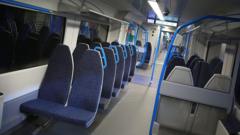
Greater Thameslink Railway will add cushioning to its notoriously hard "ironing board" train seats, the transport secretary announced, fulfilling a long-running passenger complaint that has dogged the UK rail network for years.
The unpaddled seats, which passengers have compared to sitting on metal ironing boards, became a symbol of poor comfort standards on commuter trains. Thameslink services operate across London and the Southeast, serving hundreds of thousands of daily commuters on routes including Sutton to Wimbledon, Wimbledon to Wimbledon Park, and lines through central London.
The upgrade forms part of the government's broader rail renationalization strategy, which aims to bring franchised services back under public control. Transport officials frame the seat cushioning project as evidence that public ownership delivers tangible improvements for passengers faster than private operators managed.
Thameslink, which entered public ownership as part of the Department for Transport's takeover of rail franchises during the pandemic, operates one of Europe's busiest rail networks. The line carries approximately 130 million journeys annually across its network serving Surrey, London, and Bedfordshire commuters.
The announcement responds to years of viral social media complaints and parliamentary questions about passenger comfort. Commuters shared photographs comparing the hard plastic seats to actual ironing boards, creating public pressure on both the private franchise operators and government officials to act. The complaints highlight a wider infrastructure gap across Britain's rail network, where aging rolling stock and cost-cutting measures have eroded passenger experience.
The cushioning project will roll out across Thameslink's fleet, though specific timelines and budget allocations remain under negotiation between transport authorities and the now-public rail operator. Engineers must balance passenger comfort against durability, cleaning costs, and maintenance expenses that cushioned seats typically incur on high-volume commuter routes.
This move sits within a larger context of rail modernization efforts across the UK. Network Rail and regional operators face pressure to upgrade aging infrastructure while managing constrained public budgets. Similar comfort complaints have surfaced on other franchises, suggesting Thameslink's seat upgrade could establish a precedent for industry-wide standards.
The transport secretary's commitment signals that renationalization arguments will increasingly center on consumer-facing improvements rather than purely operational or financial metrics. Whether added cushions translate to broader passenger satisfaction depends on simultaneous investments in service reliability, frequency, and on-time performance, where commuters report significant frustrations across the network.
Thameslink's upgrade represents a symbolic win for rail passengers and political justification for the government's renationalization agenda heading into potential future rail franchise decisions.