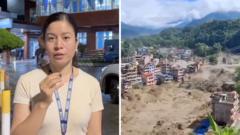
A devastating flash flood along the Nepal-Tibet border has claimed over 150 lives, with hundreds more unaccounted for. The BBC visited a hospital in Kathmandu where families gathered seeking information about missing relatives, their faces etched with desperation and uncertainty.
The scale of the disaster overwhelmed emergency response infrastructure across the region. Rescue teams moved through the affected areas searching for survivors, but the remote terrain and sudden violence of the flooding complicated efforts. Flash floods in high-altitude regions can move with catastrophic speed, offering little warning to communities in their path.
Kathmandu's medical facilities absorbed the surge of injured survivors, many arriving with severe trauma. Families camped in corridors and waiting rooms, searching hospital records and speaking with staff members who could offer only fragmentary information. The communication breakdown between disaster zones and urban centers left people in Kathmandu without concrete answers about their loved ones.
Nepal sits on one of the world's most geologically active boundaries. The terrain's rugged topography, combined with seasonal weather patterns and climate pressures, creates conditions where natural disasters strike with brutal regularity. Flash floods occur with particular frequency during monsoon seasons, when intense rainfall moves through steep valleys with nothing to slow its destructive path.
This incident ranks among the deadliest weather-related disasters in Nepal in recent years. The country's disaster management systems, while improving, remain stretched by the frequency and intensity of natural hazards. Coordination between border regions and national authorities often lags during emergencies, leaving gaps in rescue and recovery operations.
International aid organizations typically mobilize after such events, but initial hours remain chaotic as local authorities attempt triage and victim identification. DNA databases and missing person registries become critical tools, though Nepal's infrastructure for these processes remains underdeveloped compared to wealthier nations.
The human cost extends beyond immediate casualties. Entire communities may have lost homes, livestock, and agricultural land. Reconstruction efforts in border regions take years, constrained by funding, accessibility, and competing national priorities.
The BBC's presence at the Kathmandu hospital underscores the global news cycle's attention to South Asian disasters, though coverage often fades within weeks while survivors face months of recovery and grief.