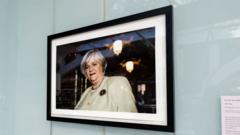
Parliament has installed a portrait of Ann Widdecombe in its corridors as MPs return from recess, marking the first phase of a permanent memorial to the former Conservative minister who died in December 2023. The framed photograph hangs among other commemorative works that MPs have commissioned to honor Widdecombe's decades of service in the House of Commons.
Widdecombe represented Maidstone for 23 years, from 1987 to 2010, and served as Shadow Secretary of State for Health under William Hague. Her career spanned contentious debates on prisons, drug policy, and social issues that defined late 20th-century British politics. She became a public figure beyond Parliament through television appearances and media commentary after leaving the Commons, but her legacy in Westminster remains rooted in her tenure as a backbench firebrand and government minister.
The portrait installation reflects Parliament's tradition of honoring departed MPs through permanent memorials displayed in the Palace of Westminster. These installations typically develop over several months as colleagues collaborate on designs and placement. The work underway suggests MPs from across the political spectrum valued Widdecombe's contributions enough to commit resources to her remembrance.
Widdecombe's death last year prompted tributes from political rivals and allies alike. Her combative style and principled stances on law and order earned her respect despite frequent clashes with party leadership. She remained a recognizable political figure into her final years, appearing regularly on television panels and radio shows where her no-nonsense approach and forthright opinions kept her relevant to political discourse.
The memorial project carries symbolic weight in Parliament's ongoing efforts to acknowledge the contributions of former members. By placing her portrait among the institution's collection of commemorative works, Parliament signals that Widdecombe merits permanent recognition alongside other notable figures who shaped British parliamentary history. The installation also serves as a visual reminder to current and future MPs of Widdecombe's presence in the chamber during formative years of her party and the wider Conservative movement.
The timing of the portrait's placement coincides with Parliament's return from recess, offering MPs an opportunity to reflect on institutional memory and parliamentary tradition. Such memorials function as touchstones for institutional identity, connecting generations of lawmakers through shared recognition of those who served before them.