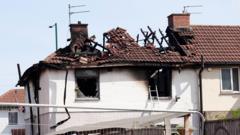
Cleveland Police launched a murder investigation following a fatal fire that claimed two lives, including a child, in the Middlesbrough area. Detectives arrested multiple suspects on murder charges as the force opened an active inquiry into potential links to organized crime networks.
The fire broke out at a residential property, resulting in two deaths. Police have not publicly disclosed the full identities of the victims or specific details surrounding the incident at this stage of the investigation. However, the decision to pursue murder charges rather than investigate the fire as an accident indicates officers believe criminal intent played a direct role in the deaths.
Cleveland Police issued a statement indicating they "cannot rule out any links to wider organised crime" as part of their ongoing probe. This language signals investigators are treating the incident as potentially connected to criminal enterprise rather than an isolated act. The involvement of organized crime elements would expand the scope of the investigation considerably, requiring coordination with regional and national law enforcement bodies that track gang activity and coordinated violence across northern England.
Middlesbrough has faced recurring challenges with gang-related violence and organized crime over the past decade. The town sits within the Northeast England region, where territorial disputes between criminal networks frequently result in violent incidents. Police have intensified efforts to combat these networks through dedicated task forces and intelligence operations.
The arrest of multiple individuals demonstrates police moved swiftly to secure suspects following the fire. Detectives would have examined evidence from the scene, including accelerant residue, burn patterns, and witness testimony, to establish whether the fire was deliberately set. The presence of a child among the victims likely elevated the severity of charges and public attention to the case.
Fire deaths classified as potential murders receive heightened investigative resources. Forensic teams examine structural damage, debris analysis, and any evidence of devices or materials used to ignite fires. Toxicology reports on victims help establish whether individuals were alive during the fire or whether they were killed before flames spread.
The organized crime angle suggests investigators may have identified a motive rooted in criminal turf wars, debt settlement, or retaliation between rival groups. Such violence occasionally extends to targeting family members or households associated with individuals involved in criminal enterprise, though police have not disclosed whether victims held any criminal connections.
Public appeals for information often follow incidents of this nature, as witnesses to suspicious activity preceding fires or the arrival of suspects provide essential investigative leads. Cleveland Police typically request dashcam footage, CCTV recordings, and witness accounts from the neighborhood surrounding the property.
The investigation remains active. Charged suspects will face magistrate or crown court proceedings depending on case complexity and evidence strength. Murder convictions in fire deaths require prosecutors to prove intent and causation beyond reasonable doubt.