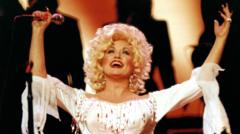
Dolly Parton's death earlier this week marks the end of an era in country music. The icon, who passed away at 79, left behind a catalog that redefined American folk and country traditions while establishing her as one of the most recorded artists in history.
Parton's influence stretched far beyond Nashville. She wrote or co-wrote thousands of songs, many of which became standards across multiple genres. Her composition skills generated publishing revenue that made her one of the wealthiest musicians in the world. Artists from Whitney Houston to Miley Cyrus covered her work, proving her songs transcended the country format entirely.
Her impact on the music industry extended into business and philanthropy. The Jolene artist pioneered the concept of artists maintaining creative control while building entertainment empires. She owned her master recordings and publishing rights at a time when few female artists did. This financial independence funded her Imagination Library, which has distributed over 190 million books to children globally.
Parton's live performances became the stuff of legend. Her Glastonbury headline set in 2014 at age 68 drew widespread acclaim and introduced her to audiences who knew her primarily through Whitney Houston's cover of "I Will Always Love You." She sold out amphitheaters and arenas well into her final decades, commanding fierce loyalty from longtime fans while attracting new generations.
Her songwriting catalog included some of popular music's most enduring compositions. "Jolene," recorded in 1973, became a cultural touchstone. "9 to 5," written for the 1980 film of the same name starring herself, topped charts globally. These weren't novelty hits. They contained narrative depth and emotional precision that justified their longevity.
Parton broke barriers in an industry historically dominated by male gatekeepers. She fought for chart positioning at country radio when programming decisions favored male artists. She negotiated her own deals, owned her own record label at times, and refused to compromise her vision despite industry pressure to dilute her image or sound.
Her television presence shaped how country artists presented themselves to mainstream audiences. Her variety show in the 1980s modeled a template for cross-genre appeal. She appeared on top-rated programs across multiple decades, building an image that stayed relevant through format shifts and generational changes.
The loss resonates across the music industry because her path proved replicable for others. Female country artists today benefit from the infrastructure and precedents Parton established. Her refusal to be confined by genre or geography created space for artists who came after her.
Parton's voice, though not technically perfect, carried unmistakable personality. It conveyed authenticity and vulnerability in equal measure. Her phrasing choices and delivery style influenced countless singers across genres. Country, pop, rock, and R&B artists cite her as a foundational influence on their approach to vocal interpretation.
Her legacy also includes television and film work beyond her variety show. She produced content and appeared in projects that kept her visible in popular culture. This multimedia presence set her apart from purely recording-focused artists of her generation.
The tributes pouring in from the music community confirm what her chart performance and publishing catalogs already demonstrated. Dolly Parton was irreplaceable. Her combination of songwriting talent, business acumen, philanthropic commitment, and authentic connection with audiences created a model few artists have matched. The country music industry and popular music broadly lose one of their most essential figures.