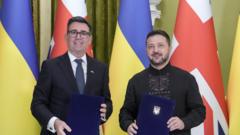
Russia's Kremlin has issued a veiled threat against UK defense manufacturing facilities, warning that drone factories may face attacks from "unknown sources." The threat came during an appearance on BBC Newsnight by a Kremlin adviser, following London's announcement that it would share blueprints for British-made missile components with Ukraine.
The statement represents an escalation in rhetoric targeting Britain's military-industrial complex. The Kremlin's use of the phrase "unknown sources" echoes tactics Russia has employed throughout its war in Ukraine, employing deniability when attributing attacks to non-state actors or shadowy groups. This allows Moscow to maintain diplomatic cover while threatening hostile action.
The UK's decision to transfer missile component designs to Kyiv strengthens Ukraine's domestic weapons production capacity. British manufacturing expertise in missiles and related systems gives Ukraine greater independence from Western supply chains, which have proven vulnerable to logistics disruptions and political pressure. The move signals Britain's commitment to sustained military aid beyond conventional weapons transfers.
Ukraine has aggressively developed its own drone and missile programs since Russia's 2022 invasion. Homegrown production reduces reliance on slower international procurement timelines and addresses shortages created by demand that outpaces available Western inventory. British component blueprints accelerate this self-sufficiency.
The threat against UK factories reveals Russia's desperation. Ukraine's domestically produced weapons have inflicted serious damage on Russian military assets, forcing Moscow to contemplate attacking the source. A direct strike on British soil would constitute a major escalation with NATO implications. The "unknown sources" framing suggests Russia wants to deter UK support without triggering a direct military response from Britain or its NATO allies.
British defense firms including BAE Systems and Rolls-Royce operate extensive manufacturing networks. Protection of these facilities becomes a national security priority if Russia pursues hybrid warfare tactics including sabotage, drone strikes, or cyberattacks. The Kremlin's public threat may serve as cover for reconnaissance operations targeting these sites.
The UK government has consistently supported Ukraine throughout the war, pledging over 12 billion pounds in military aid since 2022. This includes tank deliveries, air defense systems, and long-range missile technology. Technology transfers add another dimension to Britain's commitment, positioning it as a direct participant in Ukraine's weapons innovation ecosystem rather than merely a supplier.
Russia regularly issues threats against Western nations providing military assistance. Previous warnings targeted Poland, the Baltic states, and Scandinavia. Most remain unfulfilled, though Russia has conducted cyberattacks and sabotage operations against critical infrastructure in several NATO countries. The specific mention of British drone factories suggests Russia views these facilities as strategically important.
The timing coincides with Ukraine's expanding production of Palyanytsia drones, FPV attack drones, and other systems that have proven effective against Russian positions. British components could enhance accuracy, range, or reliability of these weapons. Russia's threat attempts psychological pressure on UK defense contractors and political leaders, hoping to discourage further technology sharing.
Britain's defense establishment shows no signs of backing down. The blueprint sharing underscores a broader Western strategy of helping Ukraine achieve sustainable military independence. Russia's threats, whether targeting factories or supply routes, face the reality that Western commitment to Ukraine's victory has hardened significantly since early 2022.