# Lockerbie Bombing Trial Postponed Again as New Evidence Emerges
The trial of a Libyan man accused in connection with the 1988 Lockerbie bombing has been postponed for a third time, just days before proceedings were scheduled to commence. The delay stems from the emergence of new evidence in a case that has spanned nearly four decades and remains one of aviation's deadliest attacks.
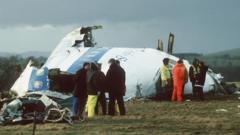
The bombing of Pan Am Flight 103 killed 259 people aboard the aircraft and 11 residents on the ground in the Scottish town of Lockerbie on December 21, 1988. The attack devastated families across multiple continents and shaped international counterterrorism policy for generations. After years of investigation, sanctions, and diplomatic negotiations, the case appeared poised for resolution with this trial.
The fresh evidence surfaced just three days before the trial was set to begin, forcing prosecutors and the court to reassess their position. The nature of this new material has not been publicly detailed, but its emergence so late in proceedings prompted judicial authorities to delay the case rather than proceed under incomplete circumstances.
This marks the third postponement for the defendant. Previous delays reflect the complexity of prosecuting a decades-old international terrorism case where evidence gathering, witness availability, and diplomatic sensitivities all intersect. The Libyan government's initial denial of involvement, followed by its eventual handover of suspects in the 1990s, created procedural complications that courts have worked through slowly.
The trial's repeated delays highlight the extraordinary challenges prosecutors face when pursuing cases of this magnitude and age. Witness memories fade, documents deteriorate, and geopolitical relationships shift. The court system must balance the need for speed with the requirement for thoroughness. Families of the victims have endured decades of waiting for accountability. Each postponement renews their frustration, though most understand that justice delayed proves preferable to justice mishandled.
Lockerbie remains a watershed moment in terrorism investigation. The bombing prompted unprecedented international cooperation in forensic analysis and intelligence sharing. It established precedents for how nations prosecute state-sponsored terrorism and raised standards for evidence collection in mass casualty events.
The emergence of new evidence at this late stage suggests investigators may have uncovered additional materials during recent archival reviews or obtained cooperation from new witnesses. Such developments, while pushing back trial dates, often strengthen prosecutorial cases and increase the likelihood of conviction.
The defendant's legal team will need time to review and respond to whatever new evidence has been submitted. The court must schedule hearings to determine admissibility. These procedural steps cannot be rushed without compromising the defendant's right to adequate legal representation.
No new trial date has been announced. The court will likely set a revised schedule once all parties have had adequate time to prepare. Victims' families and the public will continue waiting for the moment when this case finally reaches final judgment.