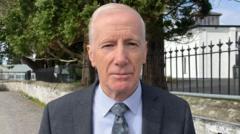
The Democratic Unionist Party's Gregory Campbell faces a spending probe from Westminster's parliamentary authorities. The investigation centers on how Campbell deployed funds from his Office Costs budget, a discretionary allocation available to all Members of Parliament for constituency and London-based operational expenses.
Campbell represents East Londonderry in Northern Ireland. The DUP holds ten Westminster seats and functions as a significant player in British parliamentary arithmetic, particularly when governments lack comfortable majorities. Campbell himself has served as an MP since 1987, making him one of the longest-serving members of the current Commons.
The watchdog driving this inquiry operates under the Parliamentary Commissioner for Standards framework. This body investigates breaches of the Code of Conduct for Members of Parliament, which governs how legislators handle expenses, gifts, and conflicts of interest. Office Costs allocations typically cover staffing, rent, utilities, and administrative supplies. The rules require meticulous documentation and prohibit personal use of public funds.
Such investigations rarely conclude quickly. The process involves detailed scrutiny of submitted receipts, invoices, and payment records. If the watchdog finds evidence of intentional misuse, the matter escalates to the Standards Committee, which can recommend sanctions ranging from public reprimands to suspension from the Commons. Serious breaches can trigger referral to police for criminal investigation.
Campbell's case arrives during a period of heightened scrutiny on parliamentary expenses. Since the 2009 expenses scandal that implicated dozens of MPs across all parties, Westminster has implemented stricter oversight mechanisms. The Independent Expenses Service now processes and validates all spending claims before reimbursement. Still, disputes over interpretation of spending rules periodically surface.
The DUP has not released a statement on Campbell's behalf. Campbell has not publicly commented on the allegations. His office typically handles constituent casework and legislative business independently, so an investigation into his budget administration would not immediately affect his parliamentary duties.
Northern Ireland's political landscape remains fractious. The DUP's ten MPs hold leverage in close parliamentary votes, particularly on confidence-and-supply arrangements or major legislative packages. Any cloud over a senior party member could affect internal party dynamics, though East Londonderry's constituency seat remains secure under Campbell's incumbency.
The investigation's timeline remains unclear. The Standards Commissioner's office typically publishes findings after completing its review, allowing both the MP and the public to assess the watchdog's conclusions. If substantive breaches emerge, Campbell faces potential damage to his reputation and parliamentary standing, outcomes that carry weight for a legislator with three decades of Commons service.