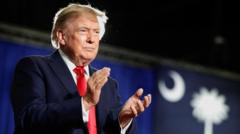
Donald Trump escalated trade tensions with Canada on Wednesday, claiming during a Mar-a-Lago dinner that Canadian officials privately expressed interest in merging with the United States. The comments came as trade negotiations between the two nations collapsed, prompting Canada's Prime Minister to announce retaliatory tariffs in response to Trump's threatened 25 percent levy on Canadian goods.
Canadian PM Justin Trudeau stated he was "reluctantly" announcing counter-tariffs, directly accusing the Trump administration of initiating a trade war. Trudeau's government prepared its own tariff schedule targeting American products, signaling a hardline response to what Ottawa views as protectionist overreach from Washington.
Trump's characterization of Canada's alleged desire for statehood appears designed to undermine Canadian sovereignty and leverage in negotiations. He claimed Canadian leadership wanted the economic benefits of US membership without bearing the costs, a framing that dismisses legitimate trade concerns from America's second-largest trading partner. The assertion contradicts decades of Canadian policy and popular sentiment favoring independence.
The breakdown in talks reflects Trump's broader strategy of using tariffs as negotiating weapons. His administration has threatened duties on Mexico and Canada as part of what it frames as efforts to address trade imbalances and secure better terms for American workers. However, economists warn that broad tariffs risk inflation, job losses across integrated North American supply chains, and retaliation that harms US exporters.
Canada depends heavily on cross-border trade with the United States. Roughly 75 percent of Canadian exports flow south, and the two nations maintain deeply integrated automotive, technology, and manufacturing sectors. A sustained tariff war disrupts production schedules, increases consumer prices, and threatens competitiveness for companies operating on both sides of the border.
Trudeau's response signals Canada will not capitulate to pressure. His administration has prepared defensive tariffs on American whiskey, orange juice, and other products designed to inflict political pain on key US constituencies. The strategy mirrors tactics deployed during previous trade disputes, targeting goods produced in electorally important states and congressional districts.
The collapse of negotiations suggests both sides are digging in rather than seeking compromise. Trump's comments about statehood, whether serious or rhetorical, inject an antagonistic tone into what had been managed as economic disagreements. They shift the conversation from tariff rates and trade balances to questions about national sovereignty and respect.
Industry groups on both sides of the border have urged leaders to resolve disputes through negotiation rather than tariff escalation. The automotive sector, in particular, faces severe disruption if duties on components and finished vehicles remain in place. Supply chains that took decades to optimize could fragment, reshoring production at higher costs or shifting manufacturing to third countries.
The timing of Trump's remarks, delivered publicly at Mar-a-Lago rather than through diplomatic channels, suggests he views public pressure as a negotiating tactic. Whether this approach yields concessions or deepens entrenchment remains unclear. Canada's swift tariff announcement indicates Trudeau's government sees little room for backing down without domestic political cost.