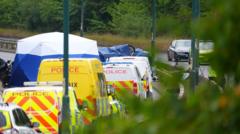
A police pursuit ended fatally when officers terminated the chase just ten seconds before a vehicle traveling the wrong direction on a dual carriageway collided with another car, according to findings from a watchdog investigation.
The Independent Office for Police Conduct (IOPC) examined the circumstances surrounding the crash, which killed occupants in one of the vehicles involved. Officers had initiated a pursuit of the suspect vehicle before it entered the wrong lane of a divided highway, creating an immediate hazard to other motorists.
The timing of the decision to abandon the chase places this incident squarely in the center of a longstanding debate over police pursuit protocols. Law enforcement agencies balance the need to apprehend suspects against public safety risks posed by high-speed chases. The IOPC's finding that the pursuit was terminated only seconds before impact suggests the decision came too late to prevent the collision, or that the discontinuation of police involvement failed to stop the vehicle's dangerous trajectory.
U.K. policing standards require officers to weigh the severity of the suspected offense against potential danger to the public. Pursuits involving minor offenses typically cease when risks escalate. The investigation indicates officers made a judgment call about disengagement, yet the vehicle continued into oncoming traffic before crashing.
The IOPC, an independent statutory body that investigates police conduct in England and Wales, determined whether officers followed proper protocol during the pursuit and subsequent decision-making. Their conclusions carry weight in shaping future guidance for police forces across the country.
This case reflects recurring tensions in modern policing. Dash-cam footage, witness accounts, and vehicle telemetry data typically feature in IOPC investigations to establish precise timelines. The ten-second gap between pursuit termination and collision raises questions about whether earlier disengagement might have altered the outcome, or whether the driver's actions remained beyond police control once the wrong-way maneuver began.
Police forces will likely review their pursuit policies in light of these findings. Forces across England and Wales already operate under National Police Chiefs' Council guidance that restricts pursuits based on threat assessment and offense severity. This investigation may prompt refinement of those protocols, particularly regarding the decision point for chase termination and communication procedures with traffic control centers.
The families affected by this crash deserve clarity on whether police decisions directly contributed to the fatality or whether the suspect's reckless driving bore sole responsibility. The IOPC report addresses that distinction through forensic analysis of decision-making and timing.