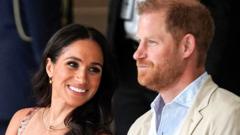
Prince Harry and Meghan Markle's return to the United Kingdom has triggered a renewal of the long-running security funding dispute that has shadowed their post-royal life since 2020.
The couple's unannounced visit forces British officials to make an immediate determination on whether taxpayer money will fund their protection during time spent on UK soil. This reopens a debate that has defined their relationship with the Palace and the government for nearly four years.
When Harry and Meghan stepped back from senior royal duties in early 2020, they lost automatic access to publicly funded security. The decision sent them abroad, first to Canada and then to California, partly to escape paparazzi pressure and threats. However, their periodic returns to Britain have required ad hoc security assessments each time, creating both logistical and political complications.
The core issue remains unresolved. Harry argues that his family faces genuine threats stemming from his profile and profile as a royal, particularly given the intensified media attention that follows him. He contends that without government protection, his wife and children face unacceptable risk. British officials counter that once royals step away from official duties, security funding shifts to private responsibility. The Palace has maintained this position consistently.
Previous visits have dragged security funding into headlines. In early 2023, Harry's legal team challenged the Home Office decision to remove his family from the Royalty and Specialist Protection (RaSP) program. A judge sided with the Home Office, affirming that the government was entitled to reassess their protection status after their departure from working royal life. Harry lost that challenge.
This latest surprise announcement resurrects the familiar standoff without clear resolution in sight. Government officials now face pressure to determine whether the couple qualifies for protection, and at what level. The decision carries political weight. Funding them risks public backlash over expense and principle. Denying them invites accusations of negligence if any security incident occurs.
The timing adds another layer. Harry and Meghan have spent the past two years building their media and production enterprises in California, including their Archewell foundation work. Their UK visits have become infrequent enough that each one becomes newsworthy. This return signals they maintain stakes in British life, whether through family connections, charity interests, or other commitments.
Security debates have become intertwined with broader questions about their status. They retain titles and connections to the royal family but operate independently. The couple has pursued legal action, media projects, and public advocacy that sometimes puts them at odds with Palace messaging. That complexity makes security decisions harder. Are they private citizens entitled to standard protection? Partially royal? Something else?
The surprise nature of this visit suggests Harry and Meghan may be testing whether the government would fund security proactively or force them to request it publicly. Either way, the announcement forces a decision that will generate fresh scrutiny and potentially establish new precedent for how future royal exits handle security funding.