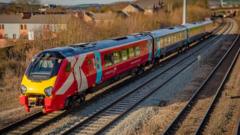
CrossCountry, one of the UK's largest train operators, suffered a catastrophic service collapse after a power cut knocked out nearly all of its operations across the country. The disruption stranded thousands of passengers and prompted widespread complaints that the incident represented an operational nightmare for Britain's rail network.
The power failure affected CrossCountry's signalling and operational systems, forcing the operator to cancel services on multiple routes simultaneously. Passengers took to social media to express frustration, with many describing the situation as the "worst case scenario" for rail travel. The scale of the disruption highlighted the fragility of the UK's rail infrastructure when critical systems fail without backup safeguards.
CrossCountry operates roughly a quarter of long-distance train services across Britain, running routes that connect major cities including Birmingham, Manchester, Edinburgh, and the south coast. The operator handles hundreds of thousands of journeys weekly. A near-total service shutdown of this magnitude creates immediate knock-on effects across the entire network, as passengers attempt to find alternative transport and other operators struggle to accommodate displaced travelers.
The incident exposed vulnerabilities in how Britain's privatized rail system handles infrastructure failures. Unlike some continental European networks with redundant power systems, UK operators sometimes depend on single points of failure that can trigger cascading problems. The power cut demonstrated that when these systems fail, there is often minimal contingency to keep services running or to quickly restore them.
Recovery from such an outage requires technicians to restore power, reset signalling systems, and safely resume operations across multiple routes. Even after power is restored, operators must verify safety systems are functioning correctly before trains can resume normal schedules. This process typically takes hours, during which stranded passengers face uncertainty about when services will resume.
The disruption raised questions about infrastructure investment and resilience in British railways. The government and regulatory bodies have faced criticism for years over underfunding and maintenance backlogs across the network. Transport unions and passenger advocacy groups have consistently warned that aging systems increase the risk of catastrophic failures like this one.
CrossCountry's parent company, Arriva, operates the franchise under a contract with the Department for Transport. Following service collapses, operators typically face scrutiny over contingency planning and customer communication. Passengers demanded compensation and explanations for why backup systems did not prevent the mass cancellations.
The incident occurred against a backdrop of ongoing industrial disputes within the rail sector, with train drivers and staff engaged in disputes over pay and working conditions. These workforce tensions can amplify the impact of technical failures, as operators have fewer resources and lower morale to respond effectively to emergencies.
For commuters and leisure travelers, the disruption meant missed appointments, lost business meetings, and wasted travel time. The ripple effects extended beyond passengers, affecting freight operations and connections across the wider UK rail network. Such incidents underscore the interconnected nature of modern transportation infrastructure and the costs when any major component fails.