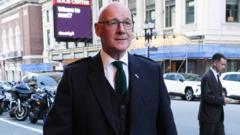
Scottish First Minister John Swinney defended nearly £100,000 in government spending on flights to the United States in June, including £45,000 in business-class fares for official World Cup visits.
Swinney argued the expenditure represented appropriate use of public funds for high-level diplomatic engagement tied to Scotland's hosting interests and international profile. The Scottish government framed the trips as part of broader economic and cultural outreach efforts during a period of heightened visibility.
The spending breakdown included multiple flights for government officials and delegates attending World Cup-related events. Business-class bookings drew particular scrutiny, with critics questioning whether premium seating justified the cost during a period when Scottish public services faced budget constraints.
The First Minister's defense focused on the diplomatic necessity of such travel and the caliber of representation required for international engagements. He contended that economy-class flights would have been impractical given travel duration and the need for officials to conduct business en route and arrive in working condition for meetings.
Opposition parties challenged the expenditure, citing cost-of-living pressures affecting Scottish households and budget cuts affecting schools and NHS services. The spending became a flashpoint in broader debates about government priorities and financial stewardship during economic uncertainty.
The incident reflects ongoing tensions in UK politics over public sector spending on travel, particularly when ministers and officials use premium cabin services. Similar controversies have surrounded Westminster spending on flights and accommodation, though Scottish government travel budgets receive less routine scrutiny.
The World Cup visits represented official state engagement, distinguishing them from routine domestic travel, though critics questioned whether the scale of expenditure aligned with Scotland's fiscal position and pressing social needs.