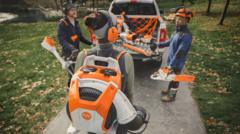
Electric landscaping equipment promises quieter neighborhoods and cleaner air, but adoption remains sluggish across the industry. Gas-powered leaf blowers, lawn mowers, and hedge trimmers still dominate residential and commercial landscaping operations despite growing environmental pressure and noise complaints.
The transition faces real obstacles. Battery-powered equipment carries higher upfront costs than traditional gas tools. Runtime limitations frustrate contractors working full days on larger properties. Charging infrastructure remains sparse on job sites. Landscapers worry about reliability and resale value of electric models that haven't proven durability over years of heavy use.
Some municipalities are forcing the issue. Cities from Los Angeles to New York have restricted gas blower use during certain hours or banned them entirely. California will ban new gas-powered lawn mowers starting in 2024. These regulations drive adoption, but many landscaping companies operate regionally and resist investing in equipment before legal requirements force their hands.
Equipment manufacturers including Stihl, Echo, and Husqvarna have expanded electric lines significantly. Smaller brands like Ryobi and Worx target the consumer and contractor market with affordable battery systems. Battery technology has improved, with some modern lithium-ion packs lasting six to eight hours under normal conditions.
Professional landscapers remain skeptical. Trade associations report that electric tools still can't match the power delivery of gas engines for dense, overgrown properties. The noise reduction benefits homeowners greatly, but contractors prioritize job efficiency and equipment reliability. Many continue buying gas-powered backup equipment even when they invest in electric options.
The electrification timeline depends on regulatory pressure, battery innovation, and cost parity. Until electric equipment matches gas performance at comparable prices, the landscaping industry will likely remain a mixed fleet of old and new technology.