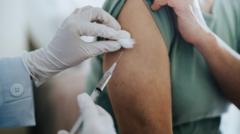
A therapeutic vaccine delivered a measurable breakthrough in cancer recurrence rates during clinical trials, extending the disease-free interval for patients with certain cancers. The vaccine works by training the immune system to recognize and attack cancer cells that remain after initial treatment, reducing the likelihood of relapse.
The trial showed patients receiving the jab experienced prolonged periods without cancer returning compared to control groups. However, researchers have not yet determined the duration of the vaccine's protective effects or whether immunity holds long-term. This uncertainty reflects the early stage of the research.
The vaccine represents a shift in oncology from treating existing tumors to preventing recurrence after conventional surgery, chemotherapy, or radiation. Personalized cancer vaccines have gained traction in recent years as immunotherapy advances. Companies like BioNTech and Moderna have invested heavily in this space, with multiple candidates in late-stage development.
The mechanism works differently from traditional vaccines. Rather than preventing infection, therapeutic cancer vaccines target tumor-associated antigens unique to a patient's cancer cells. The approach leverages checkpoint inhibitors and other immunotherapies that have reshaped cancer treatment over the past decade.
Regulators will scrutinize how long patients remain cancer-free and quality-of-life metrics before approving any vaccine. Real-world durability data becomes critical as these therapies advance toward commercialization. The results signal progress, but clinicians and patients need longer follow-up periods to assess genuine clinical benefit and justify the high development costs typically associated with personalized oncology treatments.