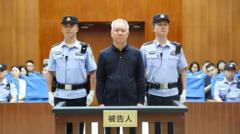
Hui Ka-yan, founder of China Evergrande Group, received a life sentence following the company's spectacular collapse. The sentencing represents a watershed moment in Beijing's reckoning with one of Asia's largest real estate implosions.
Evergrande's downfall sent shockwaves through China's property market, which accounts for roughly 30 percent of GDP and employs millions. The developer accumulated over $300 billion in debt before defaulting in late 2021, triggering a cascade of troubles for suppliers, contractors, and investors holding bonds and purchasing off-plan apartments.
Hui faced charges related to financial crimes connected to Evergrande's mismanagement and fraudulent accounting practices. The life sentence underscores Chinese authorities' determination to hold corporate executives accountable for systemic failures that rippled across the nation's economy. This approach signals Beijing's willingness to deploy criminal penalties against high-profile business leaders, particularly in sectors deemed critical to national economic stability.
The collapse exposed deeper vulnerabilities in China's real estate model, which historically relied on new property sales to fuel growth and local government revenues. Evergrande's implosion forced Beijing to intervene with liquidity measures and debt restructuring frameworks designed to prevent total contagion. Other major developers including Country Garden and Sunac faced similar existential pressures.
Hui's conviction also reflects Beijing's pivot toward stricter oversight of the property sector after years of unchecked expansion. Chinese regulators have since implemented tighter debt-to-asset ratio limits and sales restrictions on highly leveraged builders. The sentencing delivers a cautionary message to remaining property executives operating in a sector now under sustained regulatory scrutiny.