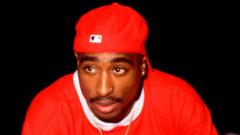
A key witness in the Tupac Shakur murder trial turned combative on the stand, refusing to answer prosecution questions about Duane "Keffe D" Davis, the man charged in connection with the 1996 killing.
The witness testified that he harbors no affection for Davis but expressed reluctance to provide testimony that could result in Davis's conviction and imprisonment. This contradiction highlighted the tension between legal obligation and personal reluctance that shaped the witness's courtroom testimony.
Davis faces charges related to the unsolved murder that has haunted hip-hop for nearly three decades. Tupac's death remained one of music's most high-profile cold cases until authorities arrested Davis in 2023, based largely on a deathbed confession he detailed in a memoir.
The witness's refusal to fully cooperate with prosecutors complicates what seemed like a straightforward case built on Davis's own admissions. His reluctance to answer questions underscores the challenge law enforcement faces when pursuing decades-old crimes, particularly those embedded in communities where testifying against defendants carries social or safety implications.
This moment reflects broader patterns in high-profile murder cases where witnesses possess relevant knowledge but resist full participation in the justice system. The combative exchange illustrated the complex dynamics between personal conscience and courtroom duty that can derail prosecutions even when a defendant has publicly acknowledged involvement.
The trial represents a rare moment of closure in a case that defined West Coast hip-hop culture and sparked conspiracy theories for years. However, a reluctant witness stand threatens to undermine the case prosecutors built around Davis's own statements.