Ukraine's ongoing conflict has forced a reckoning with infrastructure vulnerability across Europe. The war has demonstrated that above-ground power grids, water systems, and telecommunications networks face catastrophic risk during sustained military operations.
Several European nations now pursue aggressive plans to bury critical infrastructure. Poland, Germany, and the Baltic states have accelerated projects to move electrical distribution, fiber optic cables, and water systems below ground. The shift reflects a hard lesson from Ukrainian experience: Russian strikes on energy infrastructure have plunged millions into darkness during winter months, creating humanitarian crises.
The financial burden runs steep. Burying existing infrastructure costs roughly three to five times more than maintaining above-ground systems. New construction underground expenses exceed traditional methods by similar margins. Poland estimates its comprehensive underground infrastructure program will cost billions of euros across the next decade. Germany faces comparable expenditures as it recalibrates its approach to grid resilience.
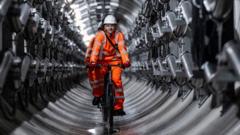
The technological challenge extends beyond digging. Underground systems demand different engineering approaches. Fiber optic cables require distinct installation techniques. Power distribution networks need redesigned cooling and maintenance protocols. Water infrastructure must account for flooding and groundwater interaction. Companies specializing in underground utility installation report surging demand for projects that were previously considered luxury upgrades.
Some nations view this investment as dual-benefit infrastructure. Denmark and the Netherlands, less directly threatened by Russian action, frame underground systems as climate adaptation. Burying infrastructure protects against extreme weather while improving resilience. This framing helps secure funding from climate-focused budgets.
The trend reflects a broader shift in European security thinking. For decades, the continent treated major infrastructure as sufficiently protected by conventional means. Ukraine shattered that assumption. Policymakers now treat infrastructure hardening as existential defense spending, not optional modernization. The underground transition will reshape European cities and countryside over the coming years, with costs embedded in government budgets for decades.