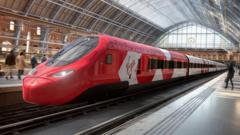
Virgin Group has signaled its intent to operate passenger rail services through the Channel Tunnel, proposing up to 20 daily journeys connecting the UK to continental Europe. The move requires the company to secure additional regulatory approval from French authorities overseeing the tunnel's infrastructure.
Virgin currently holds a franchise to operate Eurostar services on UK domestic tracks, but expanding those operations through the Channel Tunnel and onto French railways demands clearance from overseas regulators. The firm has submitted its proposal to the relevant bodies, marking a formal step in the process.
This expansion would position Virgin as a direct competitor to the incumbent Eurostar service, which the company already operates under franchise in the UK. The additional journeys would increase capacity on one of Europe's busiest rail corridors, potentially offering passengers more frequent departure options for London-to-Paris and London-to-Brussels routes.
The proposal comes as major rail operators globally pursue growth strategies to capture post-pandemic travel demand. Eurostar itself has reported strong recovery in passenger volumes, with the Channel Tunnel route serving as a critical transport artery between the UK and mainland Europe.
However, Virgin faces a complex approval pathway. Beyond French track authority sign-off, the company must navigate European Union rail regulations and potentially negotiate terms with Eurostar's existing infrastructure partners. Border and customs considerations also factor into expanded cross-Channel operations, particularly given Brexit-related changes to UK-EU transport frameworks.
Virgin's track record running UK rail franchises presents mixed results, with previous operations facing scrutiny over performance metrics and customer complaints. Success here depends not only on regulatory approval but also on operational execution across a newly competitive landscape.
The decision from French regulators could arrive within months, with implementation timelines potentially extending into 2026 or beyond if approved.