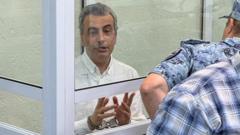
Russian authorities convicted Lev Schlosberg, one of the country's most visible anti-war politicians, and sentenced him to 11 years in prison on charges of "discrediting" the Russian armed forces. Schlosberg, a liberal opposition figure and member of the Yabloko party, rejected the verdict as political retaliation for his vocal criticism of Moscow's military operations in Ukraine.
The conviction represents an escalation in Russia's legal crackdown against dissidents and war critics. Schlosberg faced prosecution under a law that criminalizes speech deemed harmful to Russia's military reputation, a statute authorities have weaponized extensively since the 2022 Ukraine invasion. The sentence reflects the Kremlin's intolerance for internal opposition to its foreign policy.
Schlosberg's case underscores the shrinking space for political dissent in Russia. Opposition voices face mounting legal jeopardy through vague charges that target criticism rather than concrete crimes. His 11-year sentence places him among numerous activists, journalists, and politicians imprisoned for anti-war speech or activism.
The verdict signals the Kremlin's commitment to suppressing public debate over the Ukraine conflict, regardless of international criticism. Russia has jailed dozens of war opponents on similar charges, creating a chilling effect on free expression. Schlosberg's defiant rejection of the court's decision affirms that dissidents continue resisting despite severe personal consequences.
The case demonstrates how authoritarian regimes deploy legal systems as tools of political control, transforming criticism into crime.