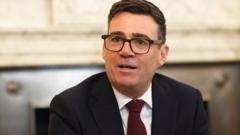
Andy Burnham has commenced his tenure as Prime Minister with a whirlwind of cabinet reshuffles, personnel dismissals, and immediate policy announcements, yet faces mounting pressure from opposition parties demanding a snap general election.
Burnham's opening day at Number 10 delivered the theatrical intensity typical of new administrations seeking to project authority and momentum. The cabinet appointments revealed both continuity and surprise selections, signaling his coalition-building strategy within the Labour party and beyond. Senior roles shifted hands, with some ministers elevated while others found themselves removed from government entirely. These moves telegraphed Burnham's priorities and his willingness to make decisive breaks from his predecessor's team, a standard gambit for newly installed leaders attempting to distinguish their governance.
The sackings proved the most controversial element of the reshuffle. Multiple ministers departed under circumstances that suggested performance-based removals rather than voluntary departures, a message Burnham clearly wanted to send about accountability and standards. The departures followed a period of instability within the previous administration, and Burnham leveraged the moment to reset expectations and establish his operational standards.
Yet within hours of these announcements, opposition figures began calling for a snap election, arguing that Burnham lacks a legitimate mandate for the sweeping changes he's implementing. This pressure represents a familiar challenge for prime ministers who ascend through party mechanisms rather than general election victories. Without having won at the ballot box, any new premier operates under scrutiny regarding democratic legitimacy, particularly when making major policy shifts or personnel changes that affect the nation's direction.
The policy announcements Burnham rolled out attempted to frame his administration as action-oriented and responsive to public concerns. Details remain sparse, but his opening moves clearly target areas where the previous government faced criticism or underperformance. These early policy signals serve dual purposes: they establish his agenda and provide cover narratives for the cabinet changes, positioning departures as necessary to implement new directions rather than arbitrary removals.
The "24 hours" framing itself matters in modern political communication. Burnham's team ensured maximum media saturation by stacking announcements, creating a news cycle dominated entirely by his administration. This strategy drowns out alternative narratives and forces coverage to focus on his chosen framing rather than critics' interpretations.
Whether these opening moves translate into sustained political advantage depends on whether Burnham can maintain momentum and demonstrate tangible progress on his stated priorities. The snap election pressure will persist, particularly if his poll numbers wobble or economic conditions deteriorate. Opposition parties have tactical incentive to demand elections when they sense vulnerability, and Burnham must navigate this pressure while consolidating his government and building parliamentary confidence.
The cabinet surprises, dismissals, and policies collectively represent Burnham's attempt to seize the narrative and project command of the machinery of government. Whether the public perceives these actions as decisive leadership or panicked reshuffling remains the open question defining his early prime ministerial moment.