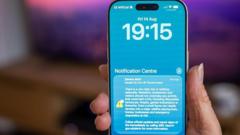
Emergency alerts designed to warn the public of threats now carry an unintended consequence for domestic abuse survivors. The Friday night alert that reached millions of phones in the UK triggered concerns among safety advocates who argue the mass notification system endangers people fleeing violent partners.
Campaigners warn that emergency broadcasts expose victims when abusers monitor their devices or notice sudden behavioral changes tied to alert notifications. In households where abusers control information flow or track phone activity, a visible emergency alert can trigger suspicion and escalate violence. Victims may face interrogation about why they received the message, particularly if they've hidden their phone or seem startled by the notification.
The alert system, intended to provide life-saving warnings about imminent threats like fires or flooding, operates with limited consideration for domestic abuse dynamics. Safety experts note that the mechanism treats all recipients equally, without accounting for power imbalances within homes. A message appearing simultaneously on shared devices or visible to controlling partners removes agency from victims who carefully manage what information they access.
Domestic abuse organizations have raised these concerns with authorities before. The system lacks nuance around timing, recipient notification, and the visibility of alerts in multi-person households. Women's shelters and support services report fielding calls from survivors worried about the fallout from receiving alerts while in abusive relationships.
The debate reflects a broader tension in public safety design. Emergency alert systems prioritize reaching the maximum number of people quickly. Yet this one-size-fits-all approach overlooks populations living under surveillance or control. Advocates call for alert systems that include domestic abuse considerations in their protocols, such as silent notification options or partner-aware messaging.
The Friday alert highlighted a gap in how governments balance mass protection with individual safety. For millions, the message provided critical information. For vulnerable people in abusive homes, it posed a different kind of risk entirely.