# UK Deploys Military as Government Bans Disposable BBQs to Combat Wildfire Crisis
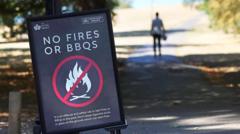
The UK government has enacted a temporary ban on disposable barbecues as military personnel mobilize to help battle escalating wildfires across the country. Officials describe single-use grills as posing a "significant risk to the public" during severe drought and extreme heat conditions gripping the nation.
The disposable BBQ prohibition marks an unusually direct intervention into consumer behavior, underscoring the severity of current fire conditions. Meteorological data confirms prolonged heatwaves and drought have created tinderbox conditions across multiple regions. Disposable grills, which reach temperatures exceeding 600 degrees Celsius and retain heat for extended periods, ignite easily in dry vegetation when discarded or left unattended.
The government's decision reflects lessons from previous wildfire seasons when improperly managed barbecues triggered major incidents. In 2022, a disposable BBQ sparked the Wytham Wood fire near Oxford, forcing evacuations and burning across hundreds of acres. Similar incidents occurred across Scotland and Wales during peak summer months when park usage peaks alongside temperatures.
Military deployment signals resource strain within emergency services. Armed forces personnel will assist firefighting operations, provide logistical support, and help evacuate residents from threatened areas. This level of coordination typically activates only during national crises when standard firefighting capacity reaches saturation. Regional fire services have already reported record call volumes and extended response times.
The timing connects to broader climate patterns affecting the UK. Climate scientists link intensified heat events to atmospheric blocking patterns, where high-pressure systems stall over the country for weeks. Combined with reduced rainfall and parched soil conditions, these meteorological factors create annual wildfire seasons of increasing severity.
Public messaging accompanies the BBQ ban, encouraging residents to use permanent garden grills only where absolutely necessary. Local authorities distributed guidance emphasizing fire safety near open spaces, moorlands, and woodland. Penalties for violating the temporary restriction include substantial fines, though enforcement relies partly on public compliance and reporting.
The ban expires once drought conditions ease and fire risk assessments decline to moderate levels. Met Office forecasting will determine the timeline for restrictions lifting. Government advisors work with fire and rescue chiefs to monitor conditions daily.
This intervention reflects the paradox facing emergency management in warming climates. Officials balance personal freedoms against collective safety needs. The disposable BBQ ban, while temporary, represents governments treating summer recreation patterns as infrastructure concerns requiring regulatory oversight.
Residents face practical adjustments through late summer. Parks and public spaces will experience reduced casual dining options. This constraint particularly affects lower-income households relying on affordable disposable grills for family gatherings. Community centers and event organizers will need alternative catering solutions.
The military support announcement addresses immediate capacity gaps. Personnel from multiple service branches coordinate with fire services to establish command centers, manage evacuation logistics, and support exhausted firefighting crews working extended shifts.