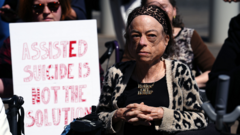
Manchester Mayor Andy Burnham faces pressure from disability rights advocates who want him to delay his assisted dying bill until the UK overhauls its social care system. The campaigners argue that introducing medical assistance in dying without first securing robust support structures for disabled and chronically ill people amounts to negligence.
The core objection centers on timing and sequence. Disability organizations contend that launching assisted dying legislation in a broken care landscape creates perverse incentives. When palliative care remains underfunded, when home support services operate on waiting lists stretching months, and when disabled people report feeling like burdens on their families, introducing a legal pathway to death looks less like choice and more like abandonment dressed up as compassion. The activists frame this not as blanket opposition to assisted dying but as insistence on getting the cart before the horse.
Burnham, the former Labour shadow health secretary and Liverpool mayor turned Greater Manchester Combined Authority leader, has signaled intent to champion assisted dying legislation. He sees it as a matter of personal autonomy and dignity. But disability campaigners counter that autonomy becomes theoretical when your only real options are inadequate care or death. They point to evidence from other jurisdictions where assisted dying rates spike among vulnerable populations lacking alternatives. Belgium and the Netherlands both show patterns where psychiatric patients, elderly people in poverty, and those with disabilities access these provisions at disproportionate rates.
The UK's care sector currently faces staffing shortages, funding gaps, and a backlog of unmet needs. Adult social care remains chronically underfunded compared to other developed nations. The pandemic exposed fragility in domiciliary care, while residential facilities struggle to recruit workers. Disability advocates argue this context makes introducing assisted dying legislation not just premature but dangerous. They want guarantees that comprehensive, free care reform happens first. Only once disabled people genuinely have options should society offer them the option not to exist.
This positions Burnham in the difficult middle ground where medical ethics meets electoral politics. Labour's recent election victory included manifesto commitments to a "genuine partnership" on social care reform, but concrete funding remains undefined. Disability campaigners are weaponizing that gap, pointing out that you cannot earnestly claim to value disabled lives while simultaneously legalizing a path around supporting them.
The campaign reflects broader tension in the assisted dying debate. Proponents emphasize individual choice and ending suffering. Opponents, particularly disability organizations, emphasize systemic inequality and the ways legal frameworks intended for the exceptional case often become escape routes from investing in care. This dispute sits at the intersection of philosophy, public health, and politics. Burnham's response will signal whether his government treats disability rights as window dressing or binding principle.