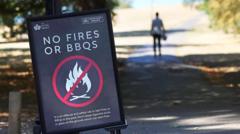
The UK government has implemented a temporary ban on the sale of disposable barbecues as drought and heatwave conditions create elevated wildfire risk across the country. The move targets single-use grills, which authorities identify as a substantial public safety threat during periods of extreme heat and low rainfall.
The ban reflects growing concern over uncontrolled fires sparked by improperly discarded or misused disposable BBQs. These lightweight, portable grills have become increasingly popular for outdoor gatherings, picnics, and beach trips. Their convenience comes with a critical vulnerability. Unlike permanent barbecue structures, disposable models lack robust containment systems and are frequently abandoned in open spaces where residual heat can ignite dry vegetation hours after use.
Current environmental conditions amplify the danger. The UK faces extended drought periods and sustained heatwaves that leave grasslands, woodlands, and moorlands parched and highly flammable. A single spark from a carelessly disposed BBQ can spread rapidly across these dry landscapes, creating wildfires that overwhelm emergency response capacity and destroy habitats, property, and sometimes threaten lives.
The government's decision targets retail sale directly rather than personal ownership or use, applying pressure at the commercial point of distribution. Major retailers have been advised to halt stock sales of these products during the restriction period. This approach acknowledges that removing the products from shelves reduces their availability to consumers and creates a practical barrier to spontaneous purchase.
The ban applies nationwide but carries heightened urgency in regions already experiencing active wildfire incidents or extreme fire weather forecasts. Local authorities in high-risk areas have coordinated messaging campaigns warning residents about fire danger and encouraging alternative outdoor cooking methods. The messaging emphasizes proper disposal practices and the environmental stakes at play.
Environmental groups and fire services have backed the temporary measure, though some have pushed for longer-term restrictions. They argue that even outside drought seasons, disposable BBQs present fire hazards and generate unnecessary waste. Each discarded unit contributes to landfill volumes and releases materials that resist biodegradation.
The temporary nature of the ban suggests the government views this as a crisis-response measure rather than permanent policy. Once drought conditions ease and rainfall returns to normal patterns, retail sale restrictions are expected to lift. However, the episode has catalyzed debate about whether single-use barbecues warrant permanent regulation. Environmental ministers may face political pressure to extend restrictions or implement stricter labeling and safety requirements that persist beyond the current emergency.
Public compliance will determine the ban's effectiveness. Existing disposable BBQ inventory in homes may continue circulating, and some consumers might stockpile units before restrictions fully take effect. Public information campaigns stress that the threat is genuine and that alternative cooking methods are available.
The ban reflects broader UK policy trends toward reducing single-use products and tightening safety oversight during climate-related emergencies. As extreme weather becomes more frequent, government actions like this temporary restriction will likely become standard crisis-management tools.