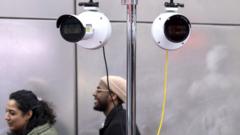
Conservative Party politicians are pushing police forces to expand facial recognition technology across criminal investigations, demanding that all suspect images undergo automated scanning. The call represents a hardline shift within right-wing politics toward embracing surveillance tools that civil liberties groups have long opposed.
The initiative targets mugshots and CCTV footage, aiming to streamline suspect identification across law enforcement agencies. Proponents argue the technology accelerates investigations and improves public safety by matching faces against existing databases faster than manual review allows.
Privacy advocates and opposition Labour politicians have raised concerns about accuracy rates, particularly for people of color, where facial recognition systems demonstrate documented error margins. Civil rights organizations warn that expanded deployment without strict oversight creates risks of wrongful arrests and discriminatory policing patterns.
The proposal reflects broader Conservative positioning on crime and order heading into the political cycle. The party frames facial recognition as a law-and-order tool necessary for tackling serious offenses and protecting communities. However, the push collides with established European privacy frameworks and data protection regulations that require explicit consent for biometric processing.
Police forces currently use facial recognition selectively and under specific protocols due to legal constraints and accuracy concerns. A mandatory rollout would require legislative changes and force recalibration of existing safeguards. The technology's deployment in other jurisdictions, including parts of the US and China, has sparked international debate about surveillance infrastructure and government power.
The debate underscores a widening philosophical divide between security-focused and privacy-focused approaches to policing technology. Conservatives view facial recognition as essential infrastructure for modern law enforcement. Critics counter that surveillance expansion without commensurate accountability mechanisms normalizes intrusive state monitoring and disproportionately harms vulnerable populations already subject to heightened police scrutiny.