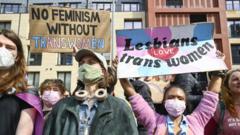
Britain's largest unions plan to boycott Labour's women's conference over the party's decision to restrict trans women's participation in women-only spaces. The BBC reports that the ban contradicts established union policies supporting trans inclusion.
Labour announced the restriction ahead of its women's conference, requiring attendees to self-identify as women based on their sex assigned at birth. Union leadership views this as a departure from their commitment to trans rights protection.
The boycott signals serious friction between Labour's leadership and organized labour at a moment when both entities typically align politically. Unions have historically positioned themselves as advocates for marginalized groups, including trans workers. This policy reversal puts Labour in direct conflict with its traditional allies on the left.
The conflict reflects deeper debate within the British left about how to balance sex-based rights protections with trans inclusion. Labour's move appears designed to appeal to voters concerned about women's spaces and safety. Union leaders argue the policy abandons principles they've championed for years.
Multiple unions representing hundreds of thousands of workers are expected to withdraw from the conference, a significant symbolic gesture. The boycott threatens to undermine Labour's attempt to project unity on gender and women's issues heading into political discussions on these topics.
This disagreement exposes internal contradictions within progressive politics in Britain. Labour faces pressure from both flanks. Some members demand stronger protections for trans rights, while others push for sex-based safeguards. The unions' response shows the party cannot easily satisfy both positions simultaneously without losing organizational support from key constituencies.