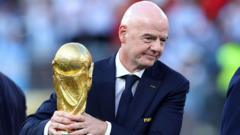
FIFA President Gianni Infantino faces mounting pressure following the collapse of the organization's controversial World Cup investment strategy. The plan, which aimed to generate substantial revenue through a newly proposed funding mechanism, imploded spectacularly within 24 hours after backlash from member federations and broadcasting partners.
The scheme would have fundamentally altered how FIFA distributes World Cup revenues, consolidating control over broadcasting rights and commercial deals. Multiple nations objected to the terms, viewing them as exploitative to smaller federations. Major broadcasters balked at the contractual arrangements, forcing FIFA to shelve the initiative entirely.
The fiasco compounds existing scrutiny of Infantino's tenure. The FIFA president has faced criticism over governance transparency, financial accountability, and his relationship with Qatar following the 2022 World Cup. His leadership style, characterized by unilateral decision-making on major initiatives, has alienated faction within the membership.
Infantino's survival depends on his ability to rebuild trust before FIFA's next Congress. He needs to demonstrate that significant decisions will involve broader consultation with member federations rather than top-down mandates. Broadcasting partners also require assurances that future revenue arrangements will protect their interests.
The failed investment plan signals that Infantino's authority, though considerable, has limits. Member federations command votes that ultimately determine FIFA leadership. Several influential confederation leaders signaled they will demand substantive reforms to governance and financial transparency before the next presidential election cycle.
For now, Infantino retains his position, but the 24-hour collapse of his signature revenue initiative represents a watershed moment. Rebuild credibility with stakeholders, or face a genuine challenge to his continued leadership.