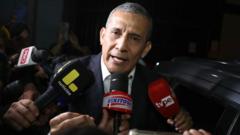
Ollanta Humala, Peru's former president, walked free after a court overturned his 15-year money laundering conviction. Humala and his wife Nadine Heredia had been found guilty in 2025 of accepting illegal campaign donations from Brazilian construction giant Odebrecht during his 2011 presidential run.
The conviction reversal marks a dramatic shift in one of Peru's most high-profile corruption cases. Humala served as president from 2011 to 2016, a period that saw significant social and economic turmoil. The Odebrecht scandal ensnared politicians across Latin America, with the Brazilian firm admitting to paying hundreds of millions in bribes to secure construction contracts throughout the region.
Heredia faced the same 15-year sentence. The couple maintained their innocence throughout the proceedings, claiming the funds were legitimate political contributions. Peru's judicial system has grappled with the Odebrecht fallout for years, with multiple high-ranking officials facing similar charges.
Humala's release reflects ongoing challenges within Peru's justice system. The country has struggled with investigating and prosecuting major corruption cases involving powerful figures. His case demonstrates how convictions in Peru can be subject to reversal on appeal, sometimes years after initial sentencing.
The former leader's departure from jail comes amid broader political instability in Peru. The nation has experienced repeated changes in government and ongoing protests over economic inequality. Humala's potential political future remains unclear, though his conviction reversal could reshape Peru's corruption narrative heading into coming elections. The case also raises questions about the strength of Peru's anti-corruption efforts and judicial consistency when addressing white-collar crime at the highest levels.