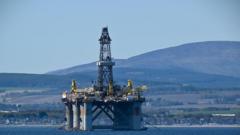
UK Labour Mayor Andy Burnham claims he signaled to Donald Trump that Britain will take a pragmatic approach to North Sea oil extraction, despite the party's historical opposition to fossil fuels. Burnham framed the conversation around economic necessity rather than environmental ideology, arguing that energy resources cannot be ignored when citizens face financial hardship.
The statement reflects Labour's broader recalibration on energy policy since taking office. Prime Minister Keir Starmer's government has already softened its climate stance, extending licenses for North Sea oil and gas operations that the previous Conservative government had approved. This reversal contradicts Labour's 2019 manifesto pledge to end new fossil fuel extraction.
Burnham's remarks to Trump signal alignment with the incoming US administration's energy priorities while positioning Labour as pragmatists rather than climate hardliners. The timing matters. Trump has consistently promoted fossil fuel expansion and opposed climate regulations, so Burnham's messaging appears designed to establish common ground on energy policy.
The North Sea remains economically vital for Scotland and northeast England, generating jobs in oil and gas infrastructure. However, the UK still aims to reach net zero by 2050, creating internal tension between short-term energy security and long-term climate commitments. Labour's shift suggests the government believes it cannot achieve its climate targets without first stabilizing energy supplies and supporting economically vulnerable regions.
Burnham's intervention also reflects regional politics. As mayor of Greater Manchester, he has advocated for balanced development that doesn't sacrifice immediate economic concerns for future environmental goals. His influence on national energy strategy signals Labour's willingness to court regional leaders and business interests rather than prioritize green activism.
This pragmatism contrasts sharply with Labour's opposition-era climate rhetoric, potentially exposing the party to criticism from environmental groups and progressive activists who view the North Sea pivot as capitulation.