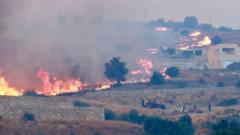
Three Greek firefighters lost their lives battling wildfires on Crete as gale-force winds intensified the blazes across southern Europe. The deaths mark a severe escalation in a crisis that has forced authorities to evacuate multiple villages across the island.
Extreme wind conditions transformed the fire into a rapidly spreading threat, overwhelming crews despite their efforts to contain the flames. The fatalities underscore the physical dangers firefighters face when tackling wildfires in challenging weather. Greece's firefighting infrastructure, already stretched across multiple active fire zones, now confronts mounting casualties alongside property destruction and mass displacement.
The Crete fires represent part of a broader wildfire crisis engulfing parts of southern Europe. Countries across the Mediterranean region are simultaneously battling multiple blazes, straining emergency response capabilities. Climate conditions this season have created ideal circumstances for rapid fire propagation. strong winds, drought conditions, and high temperatures combine to create scenarios where fires spread faster than containment efforts can manage.
The evacuation of villages indicates authorities prioritize civilian safety as fires approach populated areas. Residents face displacement and uncertainty about their homes and livelihoods as flames advance. Recovery efforts will extend far beyond the immediate firefighting response, requiring sustained resources for rebuilding communities and infrastructure.
The Greek government faces pressure to prevent further casualties while managing the scale of simultaneous emergency operations. The loss of three firefighters signals the operation's intensity and danger level. European coordination on wildfire response remains critical as the crisis spreads across borders. Without intervention from changing weather patterns, particularly wind reduction and potential rainfall, the fires threaten to consume additional territory across Crete and potentially spread to mainland Greece.