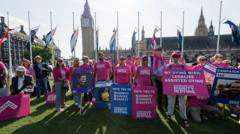
Andy Burnham, the Greater Manchester mayor and Labour heavyweight, signalled resistance to fresh legislation on assisted dying, arguing that palliative care infrastructure demands immediate attention first. His comments carry weight within Labour circles as the party weighs renewed calls to legalise medically assisted death in England and Wales.
The timing matters. Parliament has reopened debate on assisted dying following a private member's bill introduced by Labour MP Kim Leadbeater in autumn 2024. Burnham's intervention suggests internal party tension around the proposal, despite polling showing majority public support for legalisation.
Burnham's framing centres on what he calls the "unfinished business" of palliative care. NHS-funded end-of-life services remain unevenly distributed across England, with rural areas and deprived communities often underserved. His position effectively argues that the state must exhaust conventional pain management before legislation opens the door to assisted dying.
The move reflects Labour's cautious approach post-election. While the party committed to free votes on contentious social issues, leadership has avoided explicit endorsement of Leadbeater's bill. Health Secretary Wes Streeting has similarly emphasised palliative care priorities, signalling Downing Street's preferred deflection strategy.
Burnham carries particular credibility on NHS matters. His tenure as Health and Social Care Secretary under Ed Miliband positions him as a voice on healthcare logistics, not moral ideology. That lends credence to the infrastructure argument, even as opponents of legalisation view it as tactical delay.
The assisted dying debate won't disappear. Leadbeater's bill has cross-party backing and public momentum. But Burnham's intervention reveals Labour's discomfort with moving too fast on the issue. By tying legalisation to palliative care adequacy, he essentially sets a condition unlikely to be fully met within a five-year parliament, effectively punting the decision forward.