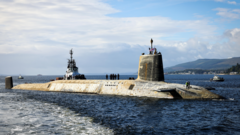
Prime Minister Yvette Burnham is positioning nuclear submarine investment as a dual economic and security strategy ahead of a Barrow-in-Furness visit. The announcement frames defence spending as job creation, targeting the shipyard town where UK nuclear submarines are built.
Burnham's timing reflects broader Labour strategy to rebrand defence as economic stimulus rather than pure security expenditure. This counters traditional left-wing skepticism about military spending by emphasizing manufacturing jobs and industrial capacity. Barrow-in-Furness, home to BAE Systems' submarine division, sits in a Labour constituency where employment matters politically.
The nuclear deterrent remains central to UK defence policy. Submarine investment secures contracts extending years into the future, guaranteeing sustained employment in a region hit by post-industrial decline. The messaging attempts to unite security hawks and economically anxious voters around the same spending decision.
Burnham's approach mirrors Labour's broader reorientation toward defence under Keir Starmer. The party committed to meeting NATO's 2.5 percent GDP spending target, abandoning decades of pacifist messaging. Nuclear capability sits at the core of that commitment, with submarine programmes representing some of the largest defence outlays available.
The Barrow visit serves dual purposes: local political reinforcement in a Labour seat and national messaging that defence spending drives growth. Economic benefits include manufacturing jobs, supply chain spending, and technological development across shipbuilding expertise.
Opposition parties will likely challenge whether defence spending delivers better returns than social investment. The Institute for Fiscal Studies and other economic bodies continue debating multiplier effects of military versus civilian spending. But Burnham's framing prioritizes defence as industrial policy, not charity, making it palatable to economically centrist audiences.