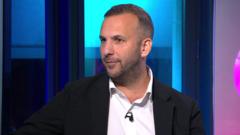
Green Party leader Adrian Polanski defended his decision to repost an image of a man wearing a guillotine t-shirt with the name "Nigel" attached, calling the action a "mistake" while stopping short of offering a formal apology. The image drew immediate backlash on social media, with critics interpreting the guillotine imagery as a veiled threat directed at Nigel Farage, the prominent UK political figure.
Polanski's response typified the current climate around political discourse on social platforms. He acknowledged the post was ill-advised but resisted calls for a straightforward apology, instead framing the incident as a lapse in judgment regarding what he chose to amplify. The distinction between admitting error and apologizing created further tension, particularly among those who viewed the original image as inflammatory rhetoric targeting a political opponent.
The repost landed amid broader scrutiny of the Green Party's online presence and messaging strategy. Political rivals seized on the incident to question the party's standards around incitement and responsible communication. Supporters of Polanski countered that the image lacked explicit violent language and that criticism had overblown the symbolism.
The episode reflects ongoing tensions in British politics around tone, accountability, and the consequences of social media amplification. For a party leader, even defensive framings of problematic posts carry political weight. Polanski's refusal to apologize outright appeared calculated to avoid appearing weak to his base while acknowledging enough awareness to deflate the scandal's immediate heat.
The incident underscores how quickly a single repost can dominate headlines and force party leadership into damage-control mode, regardless of ultimate intent.