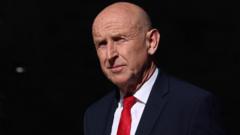
John Healey, Labour's new Chancellor of the Exchequer, brings decades of political experience to the role after serving as defence secretary under the previous government. The appointment positions him as the architect of Britain's fiscal policy at a pivotal economic moment.
Healey stepped down from his defence role following internal party shifts, but his track record suggests stability rather than radical overhaul. He previously held Treasury roles and has built a reputation as a competent operator within Labour circles. His selection signals Prime Minister Keir Starmer's preference for experienced hands managing the nation's finances rather than ideological experimentation.
The timing carries weight. Britain faces persistent inflation concerns, sluggish growth projections, and mounting public debt. Healey inherits a Treasury that requires delicate balancing between fiscal responsibility and investment in public services. Labour campaigned on restoring economic stability after years of Conservative governance marked by volatility and policy whiplash.
Healey's appointment reflects Starmer's broader cabinet strategy. The Prime Minister has prioritized continuity and competence over flashy reshuffles or populist gestures. As defence secretary, Healey demonstrated cautious management of sensitive geopolitical issues, particularly regarding NATO and UK military spending commitments.
The financial markets typically respond favorably to chancellor appointments perceived as orthodox and steady. Healey's background in Treasury roles and his reputation as a pragmatist rather than a ideologue should provide reassurance to City traders and international investors watching UK economic governance closely.
His tenure will be tested immediately. Budget season approaches, and decisions on public spending restraint, tax policy, and inflation management will define his chancellorship. The role demands not just technical competence but political skill in navigating Labour's coalition of voters and managing expectations during constrained economic times.