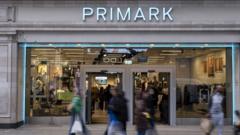
Primark is deploying supermarket-style tactics to compete in the brutal race against ultra-cheap Chinese retailers like Shein and Temu. The fast-fashion discount chain faces mounting pressure from both international e-commerce competitors and domestic wallet-tightening as shoppers hunt for deeper bargains.
The retailer's new strategy borrows from grocery retail playbooks. By adopting promotional mechanics common in supermarket environments, Primark aims to drive foot traffic and basket sizes even as the cost of living crisis dampens discretionary spending. Analysts note that traditional pricing alone no longer cuts it. Customers increasingly comparison-shop across channels, making loss leaders and bundle deals essential weapons.
The timing is critical. Shein and Temu have aggressively undercut traditional fashion retailers by offering garments at near-wholesale prices, attracting price-conscious Gen Z and younger millennial shoppers. These platforms have redefined customer expectations around affordability. Primark, already known for sub-five-pound basics, must now prove it remains competitive without sacrificing margins further.
This pivot reflects broader retail fragmentation. Primark built its empire on physical store density and speed-to-market, but those advantages erode without a cohesive omnichannel experience. Supermarket tactics like dynamic pricing, loyalty mechanics, and loss-leader strategies could help the brand bundle value perception with inventory movement.
However, the danger is real. Supermarket approaches work in groceries partly because margins are thinner and volumes massive. Fashion retail operates differently. Heavy discounting risks brand dilution and inventory bloat, particularly if suppliers can't match Shein's cost structure through pure volume leverage.
Primark's parent company Associated British Foods will need to execute carefully. The retailer must maintain its positioning as the accessible fashion option without becoming perceived as desperate. The supermarket playbook offers tools, but execution determines whether Primark thrives or just discounts its way into irrelevance amid ruthless Chinese competition.