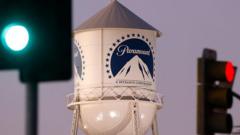
Paramount and Warner Bros Discovery have paused their proposed $110 billion merger following a legal challenge, with the studios now operating as separate competitors until a judge issues a final ruling or June 1, 2027, whichever comes first.
The pause halts what would have been one of the entertainment industry's most consequential consolidations in decades. A combination of Paramount, home to franchises like Mission Impossible and Star Trek, with Warner Bros Discovery, which owns HBO, DC Comics, and the Max streaming platform, would have created a streaming and content behemoth rivaling Netflix and Disney.
The legal challenge centers on concerns about market concentration in Hollywood. Industry observers flagged potential antitrust issues tied to the combined entity's control over theatrical releases, streaming content, and intellectual property. Regulators and competitors questioned whether merged operations could wield too much leverage over distribution channels and talent deals.
Both studios face independent pressures. Paramount has struggled with subscriber growth on its Pluto TV and Paramount Plus services while managing declining linear television revenue. Warner Bros Discovery reported streaming losses amid competition from established players and rising production costs. A merger promised synergies: consolidated streaming platforms, merged marketing budgets, and elimination of duplicative overhead.
The pause doesn't constitute a formal deal termination. Instead, it creates a holding period where each studio continues standalone operations while legal proceedings unfold. This arrangement lets both companies pursue independent strategic moves, negotiate smaller content deals, and restructure without merger obligations hanging over capital allocation decisions.
Hollywood's consolidation wave has faced growing regulatory scrutiny. The pause signals that even megadeals with clear business logic now face steeper legal hurdles. For streaming wars and traditional media houses, the outcome could reshape competitive dynamics across theatrical, linear, and streaming distribution for years.