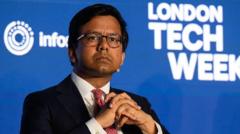
Manchester mayor Andy Burnham has restructured his administration to elevate AI oversight while dismantling the dedicated technology department. Kanishka Narayan now holds a cabinet-level AI minister position with direct access to leadership meetings, signaling the city's commitment to artificial intelligence strategy. The move strips away the separate technology secretary role that previously managed tech policy independently.
Burnham's reshuffle reflects a broader UK trend of AI integration into governance structures. Cities and regional authorities increasingly embed AI responsibilities across multiple departments rather than siloing them. Manchester, already positioning itself as a tech hub competing with London for investment and talent, appears to be betting that cabinet-level AI authority will accelerate the city's digital economy ambitions.
The restructuring carries trade-offs. Elevating Narayan's profile gives AI issues direct cabinet influence and removes bureaucratic layers that could slow adoption. However, folding technology responsibilities into other portfolios risks fragmenting oversight of digital infrastructure, cybersecurity, and non-AI tech implementation across the city's services. The absence of a dedicated tech secretary means no single leader owns the full spectrum of technology challenges facing a modern municipal government.
For the broader British tech industry, the move signals how AI dominates policy conversations at regional level. Traditional technology concerns, from broadband rollout to digital skills training, now compete for attention against AI's perceived economic potential. Manchester's choice to prioritize AI cabinet representation while dispersing general tech leadership mirrors decisions being made in other metro areas and government bodies.
Narayan's cabinet seat carries real authority. Attending cabinet meetings ensures AI considerations influence decisions on budgets, planning, and service delivery across departments. For Manchester, betting on AI-first governance reflects confidence that the technology will drive competitive advantage and economic growth. Whether this approach delivers depends on whether the city can maintain technology infrastructure quality while chasing AI leadership.