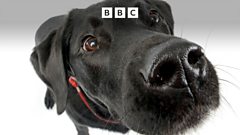
Tech companies and research labs are building artificial smell sensors that replicate canine olfaction. These electronic noses use machine learning to detect and identify odors with precision that rivals or exceeds trained dogs.
The technology works by exposing chemical sensors to different smells, then feeding that data into AI models. The system learns to recognize patterns in how compounds interact with the sensors. Once trained, the machines can identify specific odors in complex environments. Researchers say the applications span food safety, medical diagnostics, and security screening.
One key advantage over biological dogs: machines don't tire, don't require handlers, and scale across multiple locations simultaneously. A single algorithm trained on thousands of scent samples can deploy instantly across factories, airports, or hospitals. Dogs excel at one thing at a time. Machines execute millions of comparisons per second.
The challenge remains replicating the sensitivity of a dog's nose, which contains roughly 300 million olfactory receptors compared to the human count of 6 million. Engineers are developing sensor arrays with hundreds of individual detectors to approach that density. University labs and startups including ChemSignal and Aryballe are racing to commercialize these platforms.
Real-world pilots show promise. Healthcare facilities test electronic noses for infection detection in hospital-acquired pathogens. Food manufacturers use them to catch contamination before products reach shelves. Security agencies explore deployment at borders to identify explosives or illegal substances.
The technology sits at the intersection of hardware innovation and AI sophistication. Better sensors unlock richer data. Better algorithms extract meaning from that data. Neither works without the other. Within five years, expect electronic noses embedded in supply chains and public spaces, handling jobs that require reliability, consistency, and speed beyond what trained animals can deliver.