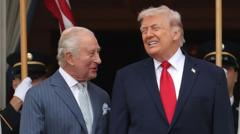
The US suspended its 10% tariff on Scotch whisky, delivering a rare win for the Scottish spirits industry amid a broader wave of Trump administration trade actions. The tariff relief came after King Charles's state visit, signaling diplomatic progress on a trade dispute that has plagued producers for years.
The levy, originally imposed during the previous administration's trade war with the European Union, had hammered Scottish distillers' access to their largest market. Exports to the US represent roughly 25% of Scotch whisky's global revenue, making tariff relief economically vital for producers like Diageo, Pernod Ricard, and smaller independent distilleries across the Highlands and Speyside regions.
The Scottish government framed the decision as validation of its trade relationships and King Charles's diplomatic influence. Industry bodies, including the Scotch Whisky Association, had lobbied aggressively for removal of the tariff, arguing it distorted competition and harmed workers across Scotland's production and hospitality sectors.
However, the reprieve arrives within a larger context of Trump's renewed protectionist stance. The administration has signaled plans for sweeping tariffs across multiple sectors and trading partners, creating uncertainty for other British and European exporters. While Scotch whisky secured exemption, industries from automobiles to agricultural products face potential new duties.
The tariff suspension represents tactical diplomacy rather than a fundamental shift in trade policy. Trump's administration granted relief selectively, suggesting future negotiations could see tariffs deployed again as leverage in broader economic disputes. For Scotch producers, the lifting of the 10% duty means immediate margin relief and restored pricing competitiveness against domestic whiskeys and other spirits in US markets. The move may also signal willingness to negotiate other EU-related tariffs that have persisted since 2020, though broader trade tensions remain unresolved.