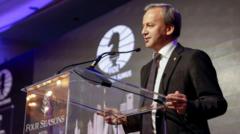
Arkady Dvorkovich's tenure as president of FIDE, chess's global governing body, enters murky territory after the European Union added him to its sanctions list over Russia's invasion of Ukraine. The EU imposed a travel ban and asset freeze on the former Russian deputy prime minister, a move that complicates his ability to lead international chess operations headquartered in Europe.
Dvorkovich ascended to the FIDE presidency in 2018, positioning himself as a reformer willing to distance the organization from Russian state control. He championed anti-doping measures, broadcast modernization, and grassroots development programs that elevated chess's profile beyond hardcore enthusiasts. His tenure coincided with a streaming boom that turned major tournaments into mainstream entertainment events.
The sanctions create an immediate logistical crisis. FIDE coordinates the world championship cycle, rating systems, and tournament licensing across 190+ member federations. Dvorkovich cannot travel to EU countries or access frozen assets, severely constraining his operational capacity. The organization faces pressure to either remove him or risk losing credibility with Western chess federations and sponsors.
This moment arrives as chess experiences unprecedented growth. Magnus Carlsen's dominance, the "Queen's Gambit" effect, and platforms like Chess.com reporting record engagement have flooded the game with new players and investment capital. Major sponsors and streaming partners now expect their chess properties to operate without geopolitical baggage.
The EU sanctions reflect broader isolation of Russian officials following the 2022 Ukraine invasion. Other Russian chess figures already faced sanctions, but Dvorkovich's international prominence made him a higher-profile target. FIDE's board must decide whether to accept his continued leadership under restrictions, demand his resignation, or stage a contested election that could fracture the organization's fragile unity.
The chess world now confronts whether sport can truly remain apolitical during geopolitical upheaval.