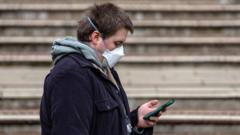
Meningitis spreads through respiratory droplets when an infected person coughs or sneezes, with some carriers harboring bacteria in the nose or throat without showing symptoms. These asymptomatic carriers pose a transmission risk to others, particularly in close-contact settings like schools, dormitories, and healthcare facilities.
The disease presents rapidly. Early symptoms include high fever, severe headache, and a stiff neck. Patients often experience sensitivity to light, nausea, vomiting, and confusion. In infants and young children, signs differ. They may refuse feeds, cry persistently, display unusual drowsiness, or show an unusual rash that doesn't fade under pressure.
Meningitis occurs when inflammation affects the membranes surrounding the brain and spinal cord. Bacterial meningitis poses the greatest risk, though viral and fungal forms exist. Neisseria meningitidis and Streptococcus pneumoniae cause the majority of bacterial cases globally.
Transmission intensifies in crowded environments where people share respiratory space. Close contact with saliva through kissing, shared drinks, or utensils increases contagion risk. Healthcare workers, household contacts, and daycare workers face elevated exposure.
Vaccination protects against multiple meningitis strains. The meningococcal conjugate vaccine covers serogroups A, C, W, and Y, while pneumococcal vaccines target Streptococcus pneumoniae. Many countries recommend vaccination for infants, adolescents, and high-risk populations.
Anyone experiencing sudden fever with headache and neck stiffness should seek emergency medical care. Early antibiotic treatment in bacterial cases significantly improves survival rates and reduces long-term complications including hearing loss, brain damage, and limb amputation.