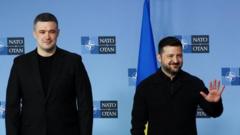
Mykhailo Fedorov, Ukraine's ousted defence minister, has rejected President Volodymyr Zelensky's attempt to reassign him to another government role. Fedorov insists on reinstatement to his original position rather than accepting an alternative post, escalating an internal power struggle within Kyiv's leadership.
The standoff reflects deeper tensions within Ukraine's wartime administration. Fedorov's removal came as part of broader personnel changes within Zelensky's cabinet, but the defence minister has refused to go quietly. By rejecting the offered alternative, Fedorov has signaled that the dismissal itself is the issue, not merely his continued government service.
The timing carries weight. Ukraine remains locked in active conflict with Russia, making military leadership stability a critical concern for both domestic morale and international partners. Fedorov's public resistance to Zelensky's decision tests the president's authority at a moment when unified command is essential.
This clash occurs within a pattern of recent cabinet reshuffles in Kyiv. Zelensky has made several ministerial changes in recent months, citing performance concerns and administrative reform. However, Fedorov's refusal to accept demotion or lateral reassignment suggests the defence minister views his dismissal as unjust rather than routine reorganization.
The impasse remains unresolved. Fedorov's public stance puts pressure on Zelensky to either reinstate him or enforce the removal more decisively, either outcome carrying political costs. Reinstatement risks appearing weak; maintaining the dismissal while Fedorov protests could fracture unity among military officials already managing a grueling conflict.
Ukraine's international allies, particularly NATO members and the US, likely monitor this internal dispute closely. Defence ministry stability matters to military aid coordination and strategic planning. How Zelensky resolves this confrontation may influence perceptions of his grip on government during wartime.