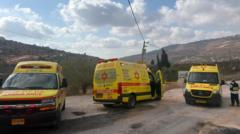
Gunfire erupted in the West Bank, leaving four Palestinians and two Israelis dead. The incident ignited immediate disputes over what triggered the violence.
Palestinian officials claim settlers opened fire on villagers in an unprovoked attack. Israeli military sources offer a different account. They say a Palestinian individual stole a weapon and fired on Israeli hikers in the area. The competing narratives reflect the broader tensions that define Israeli-Palestinian relations in the occupied territories.
The deaths mark another cycle of violence in a region where clashes between settlers and Palestinians occur with troubling regularity. Settlers, often armed and backed by military presence, have faced accusations from Palestinian activists of harassment and assault for years. Palestinian attacks on Israeli civilians, meanwhile, prompt swift military responses.
The West Bank remains a flashpoint for conflict. Israeli settlements, considered illegal under international law, dot the landscape. Palestinians live under military administration in many areas, creating daily friction. Incidents like this one typically spiral quickly, with each side interpreting events through opposing lenses shaped by decades of occupation and resistance.
The shooting follows a pattern of escalation that has marked the region since October 2023. Broader Israeli-Palestinian tensions have spiked considerably, with violence spreading across multiple fronts. The deaths of civilians, whether Palestinian or Israeli, fuel demands for justice and retaliation from respective communities.
International observers and diplomats have called for restraint. De-escalation remains elusive. Until fundamental questions about Palestinian statehood, settler expansion, and Israeli security receive substantive resolution, incidents like this will continue marking the conflict's trajectory.